
What Is Skimming a Credit Card?
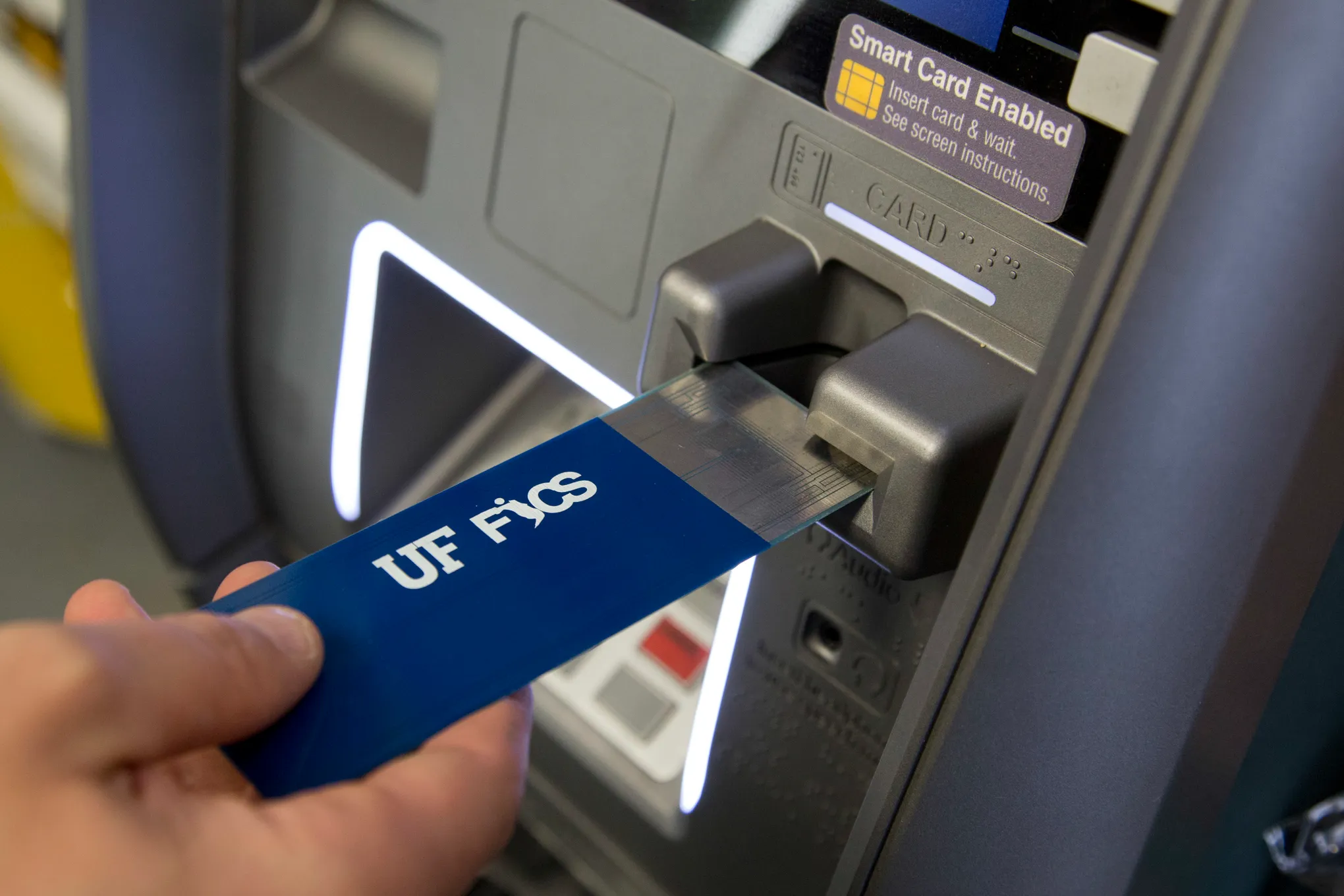
Credit card skimming is a type of financial fraud in which criminals secretly install a device on a legitimate card reader to capture payment card information during a normal transaction.
When a customer inserts or swipes their credit or debit card, the hidden skimming device copies the data stored on the card’s magnetic stripe. Criminals may later use this stolen information to create counterfeit cards or attempt unauthorized purchases.
Although modern payment systems increasingly rely on EMV chip technology and contactless payments, skimming remains a concern because many locations still accept magnetic stripe transactions.
How Does Credit Card Skimming Work?
Understanding the skimming process can help you recognize potential risks before becoming a victim.
Step 1: A Skimming Device Is Installed
A criminal secretly attaches a fake card reader over a legitimate payment terminal. These devices are designed to blend in with the original equipment, making them difficult to notice.
Step 2: The Card Is Used Normally
Customers insert or swipe their cards just as they normally would. The transaction often completes successfully, giving no indication that anything unusual has happened.
Step 3: Card Data Is Copied
As the card passes through the compromised reader, the skimming device records the magnetic stripe information.
Step 4: PIN Theft (Sometimes)
If the transaction requires a PIN, criminals may use a hidden camera or an unauthorized keypad overlay to capture the numbers entered by the customer.
Step 5: Fraudulent Activity
The stolen information may later be used to attempt unauthorized purchases or other forms of payment fraud.
What Information Can Be Stolen?
Depending on the attack, criminals may obtain several pieces of payment information, including:
- Card number
- Cardholder name (when available)
- Expiration date
- Magnetic stripe data
- PIN (if captured separately)
It’s important to note that a skimming device generally does not capture your online banking password or account login credentials. However, the stolen card information alone may be enough for fraudulent transactions.
Featured Snippet: What Is Credit Card Skimming?
| Question | Answer |
|---|---|
| What is credit card skimming? | Credit card skimming is a form of payment fraud where criminals secretly install a device on a legitimate card reader to copy payment card information during a normal transaction. |
| Where does it happen? | ATMs, gas stations, retail payment terminals, vending machines, parking kiosks, and self-service checkout systems. |
| Can chip cards be skimmed? | EMV chip cards offer stronger protection than magnetic stripe cards, but criminals may still target magnetic stripe transactions where supported. |
Why Credit Card Skimming Continues to Be a Problem
Despite significant advances in payment security, skimming remains a challenge because many payment terminals continue to support older magnetic stripe technology. Criminals often target unattended payment locations, where equipment may not be inspected frequently.
Fuel pumps, outdoor ATMs, parking payment machines, and self-service kiosks can be especially attractive targets due to their accessibility and limited supervision.
Another reason skimming persists is that modern skimming devices have become increasingly compact and difficult to detect. Some are designed to fit precisely over legitimate card readers, while others are installed inside payment terminals, making visual inspection much more challenging.
Consumers can significantly reduce their risk by remaining alert, inspecting payment terminals before use, choosing contactless payment methods when available, and regularly reviewing bank account activity for unauthorized transactions.
Where Does Credit Card Skimming Usually Happen?
Credit card skimming can occur almost anywhere a magnetic stripe card is accepted, but criminals usually target locations where payment terminals are unattended or receive limited supervision. These environments allow skimming devices to remain installed for longer periods before being detected.
Knowing the most common skimming locations can help you stay alert and make safer payment decisions.
1. ATMs
Automated Teller Machines remain one of the most common targets for skimming attacks. Criminals may install fake card readers over the existing slot while placing a tiny hidden camera nearby to record PIN entries. Some sophisticated attacks even use keypad overlays that capture PIN numbers directly.
Before using an ATM, inspect the machine carefully. If the card slot appears loose, bulky, misaligned, or different from nearby ATMs owned by the same bank, avoid using it and report it immediately.
2. Gas Station Pumps
Self-service fuel pumps are another frequent target because many are located outdoors and may not be checked regularly. Criminals sometimes gain access to the pump cabinet, install internal skimming devices, and lock the cabinet again without attracting attention.
Whenever possible, pay inside the station instead of directly at the pump, especially if the payment terminal appears damaged or unusual.
3. Retail Payment Terminals
Although less common than ATM or gas pump skimming, criminals occasionally tamper with payment terminals in convenience stores, restaurants, or small retail businesses.
Portable payment terminals handed to customers should always appear secure and untampered with. If a cashier unexpectedly removes your card from view, politely ask to complete the transaction where you can observe the payment process.
4. Parking Meters and Ticket Machines
Parking kiosks, ticket vending machines, and public transportation payment terminals often operate without constant supervision, making them attractive targets for criminals attempting to install skimming devices.
5. Vending Machines and Self-Service Kiosks
Modern vending machines and self-checkout stations increasingly accept credit and debit cards. Although many use secure payment technology, older machines that still rely on magnetic stripe readers may present greater risk.
Warning Signs That a Card Reader May Have Been Tampered With
Most skimming devices are designed to blend into legitimate payment terminals, but careful observation may reveal signs of tampering. Always take a few seconds to inspect a payment terminal before inserting your card.
Look for These Red Flags
- Loose or wobbly card readers
- Bulky card slots that appear thicker than normal
- Different colors or materials compared to surrounding equipment
- Broken security seals
- Scratches or glue residue around the card reader
- Hidden cameras pointed toward the keypad
- Unusually thick keypad overlays
- Payment terminals that feel different from others at the same locational
Common Myths About Credit Card Skimming
Myth 1: Chip Cards Cannot Be Targeted
EMV chip technology offers significantly stronger security than magnetic stripe transactions. However, if a merchant still allows magnetic stripe fallback transactions, criminals may attempt to capture stripe data instead.
Myth 2: Skimming Only Happens at ATMs
While ATMs remain common targets, skimming devices have also been discovered at fuel pumps, parking payment stations, vending machines, retail checkout systems, and various self-service kiosks.
Myth 3: You’ll Know Immediately If Your Card Has Been Skimmed
Unfortunately, most victims notice nothing unusual during the transaction. Fraudulent purchases may not appear until days or even weeks later.
Myth 4: Contactless Payments Are the Same as Swiping
Contactless payments using NFC technology generally provide stronger protection because they use encrypted, dynamic transaction data rather than transmitting static magnetic stripe information.
How Modern Payment Security Helps Prevent Skimming
Financial institutions and payment processors have introduced several technologies designed to reduce payment card fraud.
EMV Chip Technology
EMV chip cards generate unique transaction data for every purchase, making it much more difficult for criminals to create usable counterfeit cards from intercepted information.
Contactless (Tap-to-Pay) Payments
Many smartphones, smartwatches, and contactless payment cards use tokenization, which replaces sensitive card information with a unique payment token. Even if intercepted, the token cannot typically be reused for another transaction.
Real-Time Fraud Monitoring
Banks increasingly use artificial intelligence and behavioral analytics to identify suspicious spending patterns. Transactions that differ significantly from your normal purchasing behavior may trigger alerts or temporary account restrictions until verified.
Instant Transaction Notifications
Most banking apps now offer real-time purchase alerts. Enabling these notifications allows you to detect unauthorized transactions quickly and contact your bank if necessary.
Best Practices for Everyday Card Safety
Preventing credit card skimming doesn’t require advanced technical knowledge. Small habits can greatly reduce your exposure to payment fraud.
- Inspect card readers before using them.
- Prefer contactless payments whenever available.
- Use mobile wallets like Apple Pay or Google Pay when supported.
- Shield the keypad while entering your PIN.
- Avoid isolated ATMs, especially at night.
- Check your bank statements regularly.
- Enable instant transaction alerts.
- Report suspicious payment terminals immediately.
- Never share your PIN with anyone.
- Replace damaged cards promptly.
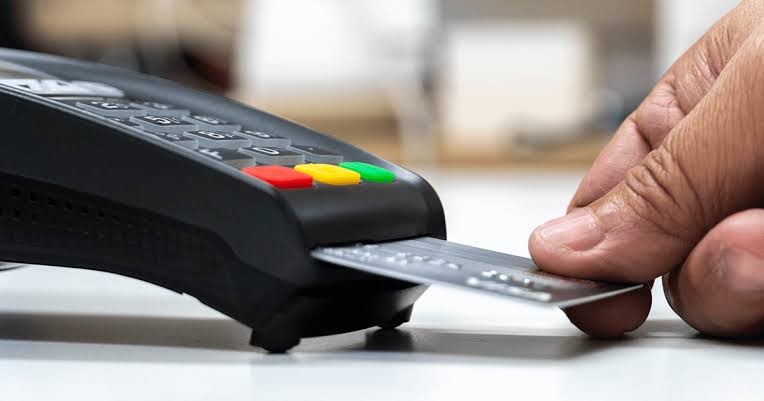
Quick Prevention Checklist
| Safety Practice | Recommended? |
|---|---|
| Inspect the card reader | ✔ Yes |
| Use contactless payment | ✔ Yes |
| Cover your PIN | ✔ Yes |
| Enable bank alerts | ✔ Yes |
| Regularly monitor statements | ✔ Yes |
| Use damaged payment terminals | ✘ No |
| Ignore suspicious charges | ✘ No |
By understanding how credit card skimming works and adopting a few proactive habits, you can significantly reduce the likelihood of becoming a victim of payment card fraud. In the next section, we’ll cover what to do if your card has been skimmed, how banks investigate fraud, and additional expert recommendations for protecting your financial information.
What to Do If Your Credit Card Has Been Skimmed
Discovering that your credit or debit card information has been stolen can be stressful, but taking immediate action can help limit financial damage. The sooner you respond, the better your chances of preventing additional fraudulent transactions.
If you suspect your card has been compromised through skimming, follow these recommended steps.
1. Contact Your Bank or Card Issuer Immediately
Call the customer service number on the back of your card or use your bank’s official mobile app. Explain that you suspect your payment card information has been stolen through a skimming device.
Most financial institutions can:
- Temporarily freeze your card.
- Block future unauthorized transactions.
- Issue a replacement card with a new number.
- Investigate suspicious activity.
2. Review Recent Transactions Carefully
Go through your recent account activity line by line. Criminals often begin with very small purchases before attempting larger fraudulent transactions.
Watch for:
- Small charges you don’t recognize.
- Online purchases you didn’t authorize.
- Gas station transactions in unfamiliar locations.
- Cash withdrawals you didn’t make.
- International purchases you never approved.
Even a transaction worth only a few dollars should be reported if you don’t recognize it.
3. Lock or Freeze Your Card
Many banking apps now allow customers to temporarily lock their payment cards instantly. If you notice suspicious activity, locking your card can prevent additional purchases while you investigate.
This feature is often available 24 hours a day without needing to contact customer support.
4. Change Related Security Credentials
Although skimming itself usually captures card information rather than online account passwords, it’s still a good idea to strengthen your account security.
- Update your online banking password.
- Enable two-factor authentication (2FA).
- Change your PIN if instructed by your bank.
- Review your security questions.
5. Continue Monitoring Your Accounts
Fraud doesn’t always happen immediately after a card has been skimmed. Criminals sometimes wait weeks or months before attempting unauthorized purchases.
Continue reviewing:
- Bank statements
- Credit card statements
- Mobile banking notifications
- Email transaction alerts
How Banks Handle Credit Card Skimming Fraud
Modern banks use advanced fraud detection systems that monitor millions of transactions every day. These systems analyze spending behavior and identify unusual activity that may indicate fraud.
Behavioral Analytics
Banks compare new purchases with your normal spending habits. For example, if you usually shop locally but suddenly a transaction appears in another country, it may trigger a fraud alert.
Artificial Intelligence
Many financial institutions now use artificial intelligence and machine learning to detect suspicious transaction patterns in real time.
Transaction Verification
If unusual activity is detected, your bank may:
- Send a text message.
- Call your registered phone number.
- Request verification through the banking app.
- Temporarily decline suspicious purchases.
Fraud Investigation
Once reported, the bank investigates disputed transactions to determine whether they were authorized. During this process, the card may be canceled and replaced with a new one.
How to Report a Skimming Device
Reporting suspected skimming devices can help protect other customers from becoming victims.
If you notice anything unusual about a payment terminal:
- Do not use the machine.
- Take note of the location.
- Inform the business manager immediately.
- Contact the bank that owns the ATM if applicable.
- If fraud is suspected, notify local law enforcement.
Never attempt to remove a suspected skimming device yourself. It may be evidence in an ongoing criminal investigation.
Physical Skimming vs. Digital Skimming
Many people assume all payment card theft happens at ATMs, but cybercriminals also use online techniques to steal payment information.
| Physical Skimming | Digital Skimming |
|---|---|
| Hidden device attached to payment terminal | Malicious code injected into an online checkout page |
| Targets in-person transactions | Targets online shoppers |
| Usually affects magnetic stripe cards | Steals payment information entered into websites |
| Often found at ATMs and fuel pumps | Common on compromised eCommerce websites |
| Requires physical access | Occurs remotely through cyberattacks |
Although the methods differ, both physical and digital skimming aim to steal payment information without the victim’s knowledge.
Industries Most Frequently Targeted
Criminals generally focus on locations where many payment cards are used each day and where equipment may not be inspected frequently.
- Gas stations
- ATM networks
- Convenience stores
- Parking payment kiosks
- Transit ticket machines
- Self-service checkout stations
- Vending machines
- Hospital payment kiosks
- Tourist attractions
- Outdoor payment terminals
Businesses can reduce the risk of skimming by performing routine inspections, installing tamper-resistant equipment, updating payment hardware, and training employees to recognize suspicious devices.
Real-World Examples of Credit Card Skimming
Understanding how skimming attacks occur in real life can help consumers recognize suspicious situations before becoming victims. While every incident is different, many follow similar patterns that exploit everyday payment habits.
The examples below are based on common fraud scenarios reported by financial institutions and law enforcement agencies. They are intended for educational purposes only.
Example 1: ATM Skimming
A customer visits an ATM to withdraw cash. The machine appears normal, but criminals have secretly attached a fake card reader over the original slot and placed a tiny hidden camera near the keypad.
The customer inserts their debit card, enters their PIN, and completes the transaction without noticing anything unusual. The skimming device captures the magnetic stripe data, while the hidden camera records the PIN. Days later, unauthorized cash withdrawals begin appearing on the customer’s account.
Example 2: Gas Pump Skimming
A driver pays at an unattended fuel pump using a credit card. Unknown to the customer, criminals previously accessed the pump cabinet and installed an internal skimming device.
Because the device is hidden inside the pump, there are no obvious signs of tampering. Weeks later, fraudulent purchases appear on the card statement, even though the customer still has the physical card.
Example 3: Retail Payment Terminal
A small retail store uses a portable payment terminal. During a busy shopping period, criminals temporarily replace the legitimate terminal with a modified device that records magnetic stripe data before processing payments normally.
Customers receive their receipts and leave without realizing their payment information may have been compromised.
Warning Signs Your Card May Have Been Compromised
Most victims don’t discover skimming immediately. Instead, the first indication is often unusual account activity. Recognizing these warning signs early can help minimize financial losses.
Unexpected Small Transactions
Fraudsters sometimes test stolen card information by making inexpensive purchases before attempting larger transactions. Even a charge of only a few dollars should be investigated if you don’t recognize it.
Purchase Alerts You Didn’t Expect
If you’ve enabled transaction notifications through your bank’s mobile app, you may receive alerts for purchases you never made. Treat these notifications seriously and contact your card issuer immediately.
Declined Transactions
Occasionally, banks detect suspicious activity before the cardholder notices. Your legitimate purchase may be declined because the bank has temporarily frozen the account while investigating potential fraud.
Missing Funds
Unexpected reductions in your account balance or unfamiliar cash withdrawals can indicate that criminals have gained access to your payment information.
Calls or Messages From Your Bank
Financial institutions often contact customers when unusual spending patterns are detected. Respond promptly using the bank’s official contact information—not phone numbers or links included in unsolicited messages.
How Businesses Can Help Prevent Credit Card Skimming
Consumers aren’t the only ones responsible for preventing payment fraud. Businesses that accept card payments also play an important role in protecting customer information.
Inspect Payment Terminals Daily
Employees should inspect payment terminals at the beginning and end of each business day. Look for loose components, broken security seals, unusual attachments, or signs of tampering.
Upgrade Older Payment Hardware
Replacing outdated magnetic stripe readers with modern EMV chip and contactless payment terminals reduces opportunities for traditional skimming attacks.
Secure Portable Payment Devices
Portable payment terminals should remain under employee supervision whenever possible. Businesses should maintain an inventory of authorized devices and verify serial numbers regularly.
Train Employees
Staff members should know how to recognize suspicious equipment, respond to customer concerns, and report possible tampering immediately.
Monitor Surveillance Systems
Security cameras can help identify unauthorized individuals attempting to access payment equipment. Routine monitoring may also assist law enforcement investigations if an incident occurs.
Common Mistakes Consumers Make
Many skimming incidents could be avoided by developing safer payment habits. Here are several common mistakes to avoid.
- Ignoring unusual-looking card readers.
- Entering a PIN without covering the keypad.
- Using damaged or loose payment terminals.
- Failing to review monthly account statements.
- Leaving transaction alerts disabled.
- Waiting several days before reporting suspicious charges.
- Sharing card information over unsecured communication channels.
- Using unfamiliar ATMs located in isolated areas when safer alternatives are available.
Advanced Strategies to Protect Yourself from Credit Card Skimming
While basic precautions like inspecting card readers and monitoring your bank statements are important, combining several security practices provides much stronger protection. Today’s payment technologies offer multiple layers of defense against payment card fraud.
Use Contactless Payments Whenever Possible
Tap-to-pay technology (NFC) is generally safer than swiping a magnetic stripe card because each transaction uses encrypted, dynamic payment credentials rather than transmitting static card data.
Many retailers now support contactless payments through physical cards as well as digital wallets.
Choose Digital Wallets
Mobile payment services such as Apple Pay, Google Pay, and Samsung Wallet use a process called tokenization. Instead of sending your actual card number to the merchant, these services transmit a unique payment token that helps protect sensitive financial information.
Use Bank Mobile Apps
Most financial institutions provide mobile applications that allow customers to:
- Receive instant purchase notifications.
- Lock or unlock payment cards.
- Report suspicious transactions quickly.
- Review account activity in real time.
- Manage travel notifications.
Avoid Public Distractions During Transactions
Fraudsters sometimes rely on distractions to prevent customers from noticing suspicious payment terminals. Stay focused while making purchases and avoid allowing anyone to rush your transaction.
Pros and Cons of Modern Payment Methods
| Payment Method | Advantages | Potential Limitations |
|---|---|---|
| EMV Chip Card | Strong encryption, dynamic transaction data, widely accepted. | Some merchants still allow magnetic stripe fallback. |
| Contactless Card | Fast, convenient, generally more secure than swiping. | Not accepted at every merchant. |
| Mobile Wallet | Tokenization, biometric authentication, enhanced privacy. | Requires a compatible smartphone or wearable device. |
| Magnetic Stripe Swipe | Works with older payment systems. | Most vulnerable to traditional skimming attacks. |
Expert Recommendations for Safer Card Payments
Financial security experts consistently recommend combining technology with good personal habits. No single solution eliminates every risk, but following these recommendations can significantly improve your overall payment security.
- Prefer chip or contactless transactions over magnetic stripe swipes.
- Use ATMs located inside bank branches whenever possible.
- Enable real-time transaction alerts.
- Review statements at least once each week.
- Report suspicious activity immediately.
- Keep your banking app and mobile device updated.
- Never share your PIN with anyone.
- Shield the keypad while entering your PIN.
- Be cautious when using unfamiliar payment terminals.
- Replace damaged or expired payment cards promptly.
Featured Snippet: How Can You Prevent Credit Card Skimming?
Quick Answer:
- Inspect payment terminals before using them.
- Choose chip or contactless payments whenever available.
- Cover your PIN while entering it.
- Enable instant banking alerts.
- Monitor account activity regularly.
- Report suspicious transactions immediately.
Summary of Key Points
Credit card skimming remains one of the most common forms of payment fraud, but understanding how it works makes it much easier to avoid. Criminals typically target unattended payment terminals, including ATMs, gas pumps, parking kiosks, and self-service checkout machines.
Modern payment technologies such as EMV chip cards, contactless payments, mobile wallets, and real-time fraud monitoring have significantly improved payment security. However, consumers should continue practicing safe payment habits, including inspecting card readers, covering their PINs, reviewing account statements, and acting quickly if suspicious activity is detected.
By combining awareness with secure payment methods and regular account monitoring, you can greatly reduce your chances of becoming a victim of credit card skimming.
Protect Your Financial Information Every Day
Payment security starts with awareness. Before inserting, swiping, or tapping your card, take a few seconds to inspect the payment terminal, use secure payment methods whenever possible, and monitor your account for unusual activity. Small precautions today can help prevent major financial problems tomorrow.
Credit Card Skimming Prevention: Comparison Guide & Expert Insights
Choosing the safest payment method can significantly reduce your risk of becoming a victim of credit card skimming. While no payment option is completely risk-free, some technologies provide much stronger protection than others.
Below is a comparison of today’s most common payment methods and how they perform against traditional skimming attacks.
Comparison Table: Which Payment Method Is Safest?
| Payment Method | Security Level | Skimming Risk | Recommended? |
|---|---|---|---|
| Mobile Wallet (Apple Pay, Google Pay) | Very High | Very Low | ★★★★★ |
| Contactless EMV Card | High | Low | ★★★★☆ |
| EMV Chip Card (Inserted) | High | Low | ★★★★☆ |
| Magnetic Stripe Swipe | Low | High | ★★☆☆☆ |
| Manual Card Entry | Medium | Medium | ★★★☆☆ |
Credit Card vs Debit Card: Which Is Better If Fraud Occurs?
Both credit cards and debit cards can be targeted by skimming devices. However, the way fraud affects the cardholder often differs because of how these payment methods work.
| Feature | Credit Card | Debit Card |
|---|---|---|
| Money Source | Credit Line | Your Bank Account |
| Fraud Impact | Usually easier to dispute | May temporarily reduce available funds |
| Charge Disputes | Often straightforward | Depends on bank procedures |
| Risk After Skimming | Generally lower financial disruption | Possible immediate account impact |
| Best For | Large purchases | Everyday banking |
Pros and Cons of Credit Card Skimming Prevention Methods
Using Contactless Payments
Pros
- Encrypted transaction data.
- Very fast checkout process.
- Reduced exposure to magnetic stripe attacks.
- Widely supported by modern retailers.
- Convenient for everyday purchases.
Cons
- Not accepted at every merchant.
- Older payment terminals may not support NFC.
Using Mobile Wallets
Pros
- Tokenized payment information.
- Biometric authentication.
- Actual card number is not shared with merchants.
- Works with smartphones and smartwatches.
- Strong fraud protection features.
Cons
- Requires a compatible device.
- Battery-dependent.
- Not every retailer supports digital wallets.
Using EMV Chip Cards
Pros
- More secure than magnetic stripe cards.
- Unique transaction authentication.
- Widely accepted worldwide.
Cons
- Some merchants still permit magnetic stripe fallback.
- Slightly slower than contactless payments.
Expert Tips to Avoid Becoming a Victim
Security professionals recommend combining awareness with modern payment technology. These practical habits can greatly reduce your chances of becoming a victim of payment card fraud.
- Inspect Every Card Reader
Check for loose components, unusual colors, broken seals, or bulky attachments before inserting your card. - Choose Indoor ATMs
ATMs located inside bank branches generally receive more frequent inspections than standalone outdoor machines. - Enable Instant Alerts
Receive real-time notifications for every transaction made with your card. - Monitor Your Statements Weekly
Don’t wait until the end of the month. Frequent reviews help detect unauthorized purchases sooner. - Cover the PIN Pad
Always shield your PIN with your hand to reduce the risk of hidden cameras capturing your entry. - Update Your Banking App
Software updates often include important security improvements and fraud protection enhancements. - Avoid Shared Public Computers
If you need to access online banking, use trusted personal devices whenever possible. - Report Suspicious Equipment
If a payment terminal appears damaged or unusual, notify the business immediately instead of using it.
Common Myths About Credit Card Skimming
Myth: Only Tourists Become Victims
Anyone who uses payment cards can become a target. Skimming affects local residents, commuters, business travelers, and tourists alike.
Myth: Small Purchases Are Safe
Criminals often test stolen card information with inexpensive purchases before attempting larger transactions.
Myth: My Bank Will Catch Every Fraudulent Transaction
Banks use sophisticated fraud detection systems, but no system is perfect. Regular account monitoring remains essential.
Myth: Contactless Payments Are Less Secure
Modern contactless payment technology uses encrypted communication and dynamic authentication, making it significantly more secure than traditional magnetic stripe transactions.
In the next section, we’ll answer the most frequently searched “People Also Ask” questions about credit card skimming and provide detailed answers optimized for Google’s Featured Snippets and AI search results.
Frequently Asked Questions
Below are answers to some of the most common questions about credit card skimming. These FAQs are written in a concise, search-friendly format to improve readability and support featured snippets and AI-powered search results.
What is credit card skimming?
Credit card skimming is a type of payment fraud in which criminals secretly install a device on a legitimate card reader to capture payment card information. The stolen data may later be used to attempt unauthorized transactions.
Is credit card skimming illegal?
Yes. Credit card skimming is a criminal offense in many countries. Law enforcement agencies investigate skimming operations because they involve theft, financial fraud, and unauthorized access to payment information.
Can chip cards prevent skimming?
EMV chip cards significantly reduce the risk of traditional magnetic stripe skimming because each chip transaction generates unique encrypted data. However, consumers should still remain cautious when using payment terminals.
Are debit cards more vulnerable than credit cards?
Both can be targeted by skimming devices. However, fraudulent debit card transactions may directly affect the available balance in your bank account, while credit card disputes often follow different procedures depending on your card issuer.
How can I reduce my risk of becoming a victim?
- Inspect payment terminals before use.
- Use contactless or mobile wallet payments.
- Cover your PIN when entering it.
- Enable instant banking alerts.
- Review account statements regularly.
What should I do if I notice unauthorized charges?
Immediately contact your card issuer using the official phone number or banking app. Report the suspicious transactions, request a replacement card if needed, and continue monitoring your account activity.
Can online shopping involve skimming?
Traditional skimming occurs at physical payment terminals. Online payment theft is usually associated with phishing attacks, compromised websites, or malicious software rather than physical skimming devices.
How often should I check my account?
Reviewing your banking activity at least once a week—and enabling real-time transaction alerts—can help you identify suspicious charges as quickly as possible.
Can banks detect fraudulent transactions automatically?
Many financial institutions use fraud detection systems powered by behavioral analytics and machine learning to identify unusual spending patterns. Even so, customers should continue monitoring their accounts because no system detects every fraudulent transaction.

