how do you clone a credit card
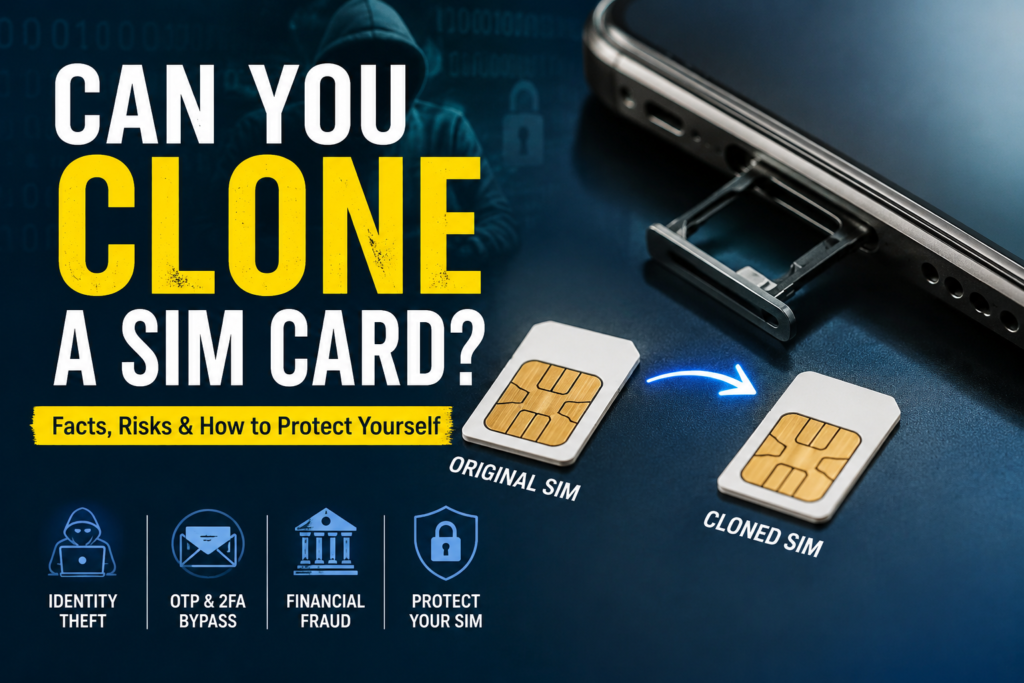
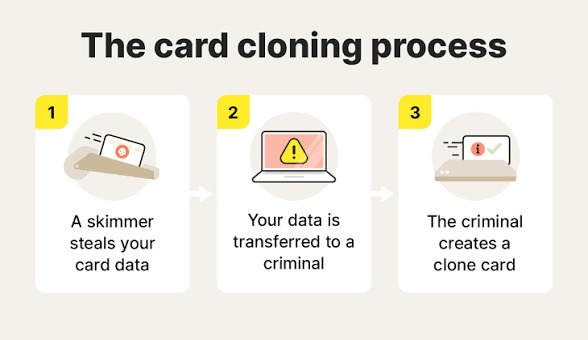
If you’ve searched how do you clone a credit card, you’re not alone. Many people type this question into Google after hearing about credit card fraud in the news, watching crime documentaries, or receiving alerts from their bank about suspicious transactions. In most cases, the goal isn’t to commit fraud—it’s to understand how criminals operate and, more importantly, how to stay protected. How Do You Clone a Credit Card? What It Really Means, Why It’s Illegal, and How to Protect Yourself This guide is designed to answer that question responsibly. Rather than explaining illegal methods, it explores what credit card cloning actually is, how criminals steal payment card data, why card cloning is a serious financial crime, and the legal consequences for those involved. You’ll also learn the most common warning signs that your card may have been compromised, practical steps to protect your personal and financial information, and what to do immediately if you suspect fraudulent activity. With payment fraud continuing to evolve, understanding the risks is one of the best ways to defend yourself. Whether you shop online, use ATMs, or make contactless payments, this guide will help you recognize common scams, strengthen your financial security, and make informed decisions that keep your money and identity safe. What Is Credit Card Cloning? Definition Credit card cloning is a form of financial fraud in which criminals illegally copy the information stored on a payment card and use that stolen data to create a counterfeit card or make unauthorized transactions. It is important to understand that this is entirely different from a legitimate card replacement issued by your bank. When a card is lost, damaged, or expires, your financial institution securely transfers your account to a new card. Criminals, on the other hand, steal card data without the cardholder’s knowledge or consent. How Criminals Obtain Card Information Fraudsters use several methods to steal payment card information. Common techniques include skimming devices secretly attached to ATMs or fuel pumps, data breaches that expose customer payment details, phishing scams that trick people into revealing sensitive information, malware that captures financial data from infected devices, and fake payment terminals designed to harvest card information during transactions. These tactics allow criminals to obtain card details without physically taking the victim’s card. Why Card Cloning Is a Growing Problem Card cloning continues to rise as digital payments become more common worldwide. Criminals exploit ATM fraud, sophisticated cyberattacks, and global networks of organized cybercrime to target consumers and businesses alike. International fraud rings often share stolen data across borders, making payment fraud more difficult to detect and investigate. Staying informed about these threats is the first step toward protecting your finances and reducing the risk of becoming a victim. Why People Search “How Do You Clone a Credit Card” Every month, thousands of people search for how do you clone a credit card, but their reasons are often very different from what the phrase suggests. Many users are simply curious after seeing news reports about payment fraud or hearing stories from friends and family. Others want to understand how criminals operate so they can better protect themselves from becoming victims. Another common reason is scam awareness. People who encounter suspicious emails, fake websites, or social media posts may search for information to determine whether they are being targeted. Students, journalists, and cybersecurity enthusiasts also research the topic for educational purposes, learning how financial fraud occurs without participating in illegal activity. Popular movies, TV shows, and internet myths have also fueled searches such as how do you clone a credit card online and how do you clone a credit card with no money. These phrases often promise quick results or secret techniques, but the reality is very different. Websites, videos, or online posts making these claims are frequently misleading, fraudulent, or designed to lure visitors into downloading malware, revealing personal information, or paying for fake services. If your goal is research or personal security, it’s important to rely on trusted sources rather than anonymous online tutorials. Understanding how payment card fraud works can help you recognize warning signs, avoid scams, and make safer financial decisions. Instead of looking for shortcuts that don’t exist, focus on learning proven strategies to protect your cards, monitor your accounts, and respond quickly if suspicious activity occurs. Is Card Cloning Illegal? The answer to is card cloning illegal is a clear yes. Credit card cloning violates financial fraud, identity theft, and cybercrime laws in many countries, including federal laws in the United States and similar regulations worldwide. Anyone involved in stealing, copying, using, or distributing stolen card data can face serious legal consequences. Depending on the jurisdiction and severity of the offense, penalties may include prison sentences, substantial fines, a permanent criminal record, and civil liability for financial damages. In many cases, authorities may also freeze bank accounts or seize assets linked to fraudulent activities, making the long-term consequences both financial and personal. Common Myths About Card Cloning Misinformation about credit card fraud is widespread, making it important to separate facts from myths. One common misconception is that “it only affects banks.” In reality, card cloning impacts consumers, merchants, and financial institutions alike. Victims may experience frozen accounts, disrupted finances, and the stress of resolving fraudulent charges. Another myth is that “small purchases go unnoticed.” While criminals sometimes use low-value transactions to test stolen card details, banks increasingly rely on advanced fraud detection systems that can identify unusual activity regardless of the purchase amount. Some people also believe “online card cloning is easy” because of misleading videos and websites. These claims are often designed to attract clicks or scam users rather than provide accurate information. Similarly, searches for card cloning software free or credit card cloner GitHub may lead to fake downloads, malware, phishing attempts, or research projects intended for cybersecurity education—not legitimate tools for committing fraud. The reality is that card cloning is a serious crime, and there is no legal or risk-free shortcut. Relying on trustworthy financial institutions, official