
Counterfeit cash is currency made to imitate genuine money with the intent to deceive people into accepting it as authentic. Counterfeiting affects individuals, retailers, financial institutions, and the broader economy by creating financial losses and reducing trust in cash transactions.
Modern banknotes include multiple security features that make them difficult to duplicate accurately. Understanding these features helps consumers and businesses identify suspicious currency without relying on a single indicator.
Why Detecting Counterfeit Money Matters
Recognizing suspicious currency is important for everyone—not just banks. Small businesses, restaurants, retail stores, event organizers, freelancers, and everyday consumers can all encounter counterfeit bills during routine transactions.
Potential consequences include:
- Financial loss if counterfeit money cannot be recovered.
- Business disruptions during investigations.
- Reduced customer confidence.
- Additional time spent verifying transactions.
- Possible legal obligations to report suspicious currency.
Learning the security features of legitimate banknotes can help reduce the risk of accepting counterfeit cash while keeping everyday transactions smooth and secure.
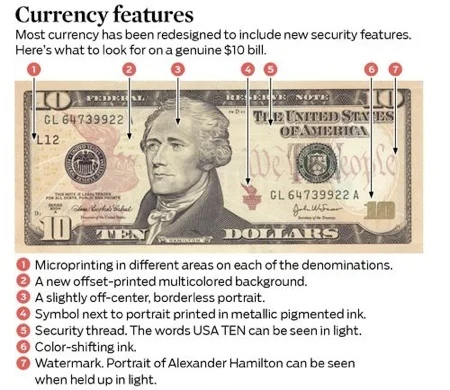
Common Security Features on Genuine U.S. Currency
Modern U.S. banknotes incorporate multiple security features. Rather than relying on just one, examine several features together when evaluating a bill.
Examples of Security Features
- Security thread visible when held to light.
- Watermark visible from both sides.
- Color-shifting ink on certain denominations.
- Raised printing that can often be felt.
- Sharp, high-quality printing.
- Microprinting designed for magnification.
- Distinct serial numbers and seals.
| Feature | Purpose |
|---|---|
| Watermark | Helps verify authenticity. |
| Security Thread | Embedded feature visible under transmitted light. |
| Color-Shifting Ink | Changes appearance when the viewing angle changes. |
| Raised Printing | Produces a distinct tactile feel. |
| Microprinting | Fine text difficult to reproduce accurately. |
Common Warning Signs of Suspicious Bills
While no single sign proves a bill is counterfeit, multiple irregularities may indicate that it should be examined more carefully.
Possible warning signs include:
- Blurry or poorly aligned printing.
- Missing or inconsistent security features.
- Paper texture that differs noticeably from genuine currency.
- Ink colors that appear unusually dull or inconsistent.
- Serial numbers that look irregular or mismatched.
- Design elements that appear distorted.
- Visible smudging or poor print quality.
Because genuine currency can also become worn over time, avoid making assumptions based on a single characteristic.
What Should You Do If You Receive a Suspicious Bill?
Stay Calm
If you suspect a bill may not be genuine, avoid confrontation. Mistakes can happen, and the person presenting the bill may not know it is suspicious.
Do Not Attempt to Spend It
If you believe a bill may be counterfeit, do not try to pass it to someone else. Instead, follow the guidance provided by your financial institution or the appropriate authorities.
Compare Carefully
If possible, compare the bill with another genuine note of the same denomination to look for differences in security features and print quality.
Follow Official Guidance
Banks and the appropriate government authorities can advise you on the correct procedures for handling suspected counterfeit currency in your jurisdiction.
How to Detect Counterfeit Cash: A Step-by-Step Safety Guide
Understanding how to identify suspicious currency does not require special equipment or professional training.
For most people and businesses, the goal is not to become an investigator but to recognize unusual signs and make informed decisions.
The best approach is using a combination of observation methods. Authentic currency is designed with several security elements working together, meaning a suspicious note often shows more than one inconsistency.
1. Use the Feel, Look, and Light Method
One of the easiest ways to check a banknote is by using three basic methods: feel, look, and light. These simple checks help consumers quickly identify whether a bill appears unusual.
Feel the Currency
Authentic banknotes are produced using specialized materials and printing processes that create a unique texture. A genuine note usually feels different from ordinary paper.
When handling cash, pay attention to:
- The overall texture of the paper.
- The quality of the printing.
- Raised areas created through specialized printing techniques.
- Whether the note feels unusually smooth or different from other bills.
Look Carefully at the Details
High-quality currency contains extremely detailed artwork and printing. When examining a suspicious bill, look closely at the overall appearance.
- Are images sharp and clear?
- Do borders and designs appear properly aligned?
- Are numbers and letters consistent?
- Does the bill look faded, blurry, or unusually printed?
Check Under Light
Many modern banknotes include features that become visible when held toward a light source. These elements are designed to help people verify authenticity.
Common examples include:
- Embedded security elements.
- Watermarks.
- Special design details that appear through transmitted light.
2. Understand Currency Security Features
Governments use multiple security technologies to protect official currency. These features are designed to make genuine notes easier to recognize while making unauthorized copies more difficult.
Watermarks
A watermark is a design element incorporated into certain banknotes. It is generally visible when the note is held toward light.
Important points:
- Watermarks are part of the paper itself, not simply printed on the surface.
- The appearance should match the official currency design.
- A missing or poorly reproduced watermark may indicate a suspicious note.
Security Threads
Many currencies include embedded security threads or strips. These features are placed inside the banknote material and may be visible under certain viewing conditions.
Security threads help distinguish authentic currency from ordinary printed paper because they are integrated into the manufacturing process.
Color-Changing Features
Some banknotes include special inks that can appear different when viewed from different angles.
These visual changes are difficult to reproduce accurately using basic printing methods and are one reason official currency uses advanced production techniques.
Microprinting
Microprinting involves extremely small text or details incorporated into currency designs.
Because these details require specialized printing quality, they may appear unclear or missing on suspicious notes.
3. Common Mistakes People Make When Checking Cash
Many people only check one feature when deciding whether money is genuine. This can create problems because currency should be evaluated as a complete design.
1: Checking Only the Color
A bill’s color can change because of lighting, age, or wear. Color alone is not a reliable way to determine authenticity.
2: Assuming Old Bills Are Fake
Currency naturally becomes worn through everyday use. A damaged or older-looking note is not automatically counterfeit.
3: Depending Only on Detection Pens
Some businesses use counterfeit detection tools, but no single method should replace careful examination and awareness of security features.
4: Ignoring Small Details
Small differences in printing quality, layout, or security elements can be important indicators that a bill deserves additional attention.
4. How Businesses Can Reduce Counterfeit Cash Risks
Retail businesses, restaurants, clothing stores, and service providers that handle cash regularly can benefit from simple verification practices.
Create a Cash Handling Policy
Employees should know what steps to follow when receiving large bills or when something appears unusual.
A basic policy may include:
- Checking larger denominations carefully.
- Training employees on currency security features.
- Keeping verification tools available when appropriate.
- Documenting suspicious incidents.
Train Employees Regularly
Employee awareness is one of the strongest defenses against accepting suspicious currency.
Training should cover:
- Recognizing common warning signs.
- Following respectful customer interactions.
- Knowing when to ask for assistance.
- Understanding reporting procedures.
Use Technology Responsibly
Businesses may use approved currency verification devices as an additional layer of protection. However, technology works best when combined with employee awareness.
5. Protecting Yourself During Cash Transactions
Individuals can also take simple steps to reduce the risk of accepting suspicious money.
- Pay attention during cash exchanges.
- Avoid rushing through transactions.
- Become familiar with common currency designs.
- Keep receipts for important transactions.
- Contact your bank if you have concerns.
6. Counterfeit Cash Awareness for Online Sellers and Creators
Many modern entrepreneurs, clothing brands, artists, and independent sellers still accept cash payments at events, markets, and pop-up shops.
For streetwear brands and creative businesses, protecting revenue means understanding basic cash safety practices.
Examples of Situations Where Awareness Helps:
- Pop-up clothing events.
- Local merchandise sales.
- Community markets.
- Concert merchandise booths.
- Small business transactions.
A simple verification routine can help protect both sellers and customers while maintaining a professional buying experience.
7. What Makes Modern Currency Difficult to Copy?
Official currencies are produced using advanced manufacturing methods, specialized materials, and carefully designed security systems.
The purpose of these features is not only preventing fraud but also helping the public recognize authentic money.
| Security Element | Why It Exists |
|---|---|
| Specialized Materials | Creates characteristics different from ordinary paper. |
| Detailed Printing | Improves recognition and reduces unauthorized duplication. |
| Embedded Features | Adds verification methods built into the currency. |
| Complex Designs | Helps the public distinguish official notes. |
8. Quick Checklist: Is Your Cash Suspicious?
Use this simple awareness checklist:
- ☐ Does the bill feel different from other genuine notes?
- ☐ Are printed details clear and properly aligned?
- ☐ Are expected security features present?
- ☐ Does anything appear unusual compared with another genuine note?
- ☐ Are you unsure and need professional guidance?
If several things appear unusual, avoid using the bill and seek advice from an appropriate financial institution or authority.
9. Counterfeit Cash Myths vs Facts
Many misconceptions exist about counterfeit money. Some people rely on outdated ideas or single indicators when judging whether cash is genuine. Understanding the difference between myths and facts helps people make better decisions.
| Myth | Fact |
|---|---|
| A bill is fake if it looks old or damaged. | Real currency can become worn from regular use. Condition alone does not determine authenticity. |
| Only large businesses receive counterfeit money. | Any person or business that accepts cash can potentially encounter suspicious currency. |
| One checking method is enough. | Using multiple security features provides a more reliable assessment. |
| Every suspicious bill is intentionally passed by the person carrying it. | Sometimes people unknowingly receive suspicious currency during normal transactions. |
| Technology completely eliminates risk. | Tools can help, but awareness and proper procedures remain important. |
10. How Retail and Streetwear Businesses Can Handle Cash Safely
Creative businesses such as clothing brands, streetwear labels, merchandise sellers, and independent designers often interact directly with customers at events and physical locations.
Because these businesses frequently operate in fast-moving environments, simple cash-handling procedures can make transactions safer and more professional.
Recommended Cash Safety Practices
- Train every employee or helper who accepts payments.
- Slow down when handling larger denominations.
- Keep cash organized to reduce transaction mistakes.
- Separate suspicious situations from normal customer interactions.
- Maintain clear business procedures for unusual payments.
Create a Professional Customer Experience
When checking cash, businesses should remain respectful and avoid accusing customers without evidence. A professional approach protects both the business reputation and customer relationships.
A simple explanation such as requesting another payment method or additional verification can prevent unnecessary conflict.
11. What To Do If You Accidentally Receive Suspicious Currency
Receiving suspicious cash can be stressful, especially when you are unsure what steps to take. The most important action is avoiding further circulation of the bill.
Recommended Steps:
- Keep the bill separate from other cash.
- Remember details about the transaction if possible.
- Avoid attempting to use the bill again.
- Contact your bank or appropriate authority for guidance.
- Follow official instructions for reporting or handling the situation.
12. How Counterfeit Money Affects Small Businesses
Small businesses often operate with limited financial margins, meaning even a small loss can have an impact.
For independent brands, artists, and local sellers, counterfeit awareness is part of responsible business management.
Possible Business Challenges Include:
- Revenue loss.
- Additional administrative work.
- Employee training costs.
- Customer service challenges.
- Reduced confidence in cash transactions.
Building simple verification habits can help businesses reduce avoidable losses while maintaining smooth customer interactions.
13. Cash Safety Tips for Events and Pop-Up Shops
Pop-up shops, festivals, markets, and merchandise events often involve quick transactions with many customers. These environments require organized payment handling.
Before the Event
- Train staff members on basic currency awareness.
- Prepare clear payment procedures.
- Organize cash storage methods.
- Consider digital payment alternatives.
During the Event
- Avoid rushing transactions.
- Pay attention to unusual situations.
- Keep payment areas organized.
- Communicate with team members when something seems unusual.
After the Event
- Review cash handling procedures.
- Record any unusual incidents.
- Improve processes for future events.
14. Cash Verification Tools: Benefits and Limitations
Businesses may use different tools designed to assist with currency verification. These tools can provide additional support, but they should not replace knowledge of official currency security features.
| Method | Benefits | Limitations |
|---|---|---|
| Visual Inspection | Simple and available to everyone. | Requires knowledge and attention. |
| Comparison With Genuine Currency | Helps identify unusual differences. | Requires access to a genuine reference note. |
| Verification Devices | Can provide additional assistance. | Should not be the only protection method. |
| Employee Training | Improves overall awareness. | Requires ongoing education. |
15. How Consumers Can Build Better Money Awareness
Financial awareness is an important part of protecting yourself from fraud. Learning about official currency features helps people make smarter decisions during everyday transactions.
Simple Habits To Develop:
- Become familiar with the money you regularly use.
- Take time to examine unusual-looking bills.
- Avoid distractions during cash exchanges.
- Ask your bank questions when uncertain.
- Stay updated on official currency information.
16. Counterfeit Cash Prevention: Best Practices Summary
| Best Practice | Why It Helps |
|---|---|
| Know currency security features | Makes unusual notes easier to recognize. |
| Check multiple characteristics | Provides a more complete evaluation. |
| Train employees | Reduces mistakes during transactions. |
| Use official resources | Provides accurate information. |
| Report concerns properly | Supports financial safety procedures. |
17. Expert Advice: The Smart Approach to Currency Safety
The most effective way to reduce counterfeit risks is awareness, not fear. Currency verification should become a normal part of responsible financial habits for both individuals and businesses.
A balanced approach includes:
- Learning how genuine currency is designed.
- Recognizing when something appears unusual.
- Following official guidance.
- Prioritizing safety during uncertain situations.
For creative entrepreneurs, clothing brands, and small businesses, these habits protect revenue while maintaining trust with customers.
18. Frequently Asked Quick Tips
- Always: Check multiple security features instead of one sign.
- Never: Attempt to pass along currency you believe is suspicious.
- Remember: Professional guidance is available through banks and official authorities.
- Focus on: Awareness, safety, and responsible handling.
Frequently Asked Questions
What does counterfeit cash mean?
Counterfeit cash refers to currency that is created to imitate official money without authorization. It is designed to appear similar to genuine currency but lacks the official production process and security features.
How do banks identify suspicious currency?
Banks use professional procedures, trained employees, and specialized equipment to examine currency. They also follow official reporting guidelines when necessary.
What are common signs of suspicious money?
Common warning signs may include unusual print quality, missing security elements, inconsistent details, or differences compared with authentic currency.
Can counterfeit cash affect online businesses?
Online businesses that occasionally accept cash payments at events, deliveries, or local sales can also face counterfeit risks.
How can clothing brands protect cash payments?
Clothing brands can protect themselves by training staff, creating payment procedures, and encouraging secure payment methods.
Is checking one security feature enough?
No. A more reliable approach involves checking multiple features together because genuine currency contains several layers of protection.
What should retailers teach employees?
Retailers should teach employees how to recognize official currency features, handle customer situations professionally, and follow company procedures.
Can damaged currency still be genuine?
Yes. Genuine currency can become damaged or worn during circulation while remaining authentic.
Should suspicious currency be returned to a customer?
Businesses should follow official guidance rather than attempting to return or circulate currency they believe may be suspicious.
Why is awareness important?
Awareness helps individuals and businesses make informed decisions, reduce losses, and maintain trust during financial transactions.
Conclusion: Stay Aware, Stay Protected
Knowing how to detect counterfeit cash is an important financial safety skill for individuals, entrepreneurs, and businesses that handle physical payments.
The most effective approach is simple: understand official currency security features, pay attention to unusual details, avoid relying on one checking method, and follow proper procedures when something appears suspicious.
For streetwear brands, creative businesses, and local sellers, protecting every transaction helps maintain customer trust and business stability.

