
how to identify fake dollar Imagine receiving a dollar bill during a normal purchase, only to discover later that it is counterfeit.
For individuals, businesses, and streetwear brands that handle cash transactions, counterfeit money can create unexpected financial losses and legal complications.
Knowing how to identify fake dollar bills is an important skill that helps protect consumers, retailers, creators, and small business owners.
While counterfeiters continue to develop new methods, modern U.S. currency includes multiple security features designed to help people verify authenticity.
The good news is that you do not need specialized equipment to perform basic checks. By understanding security elements such as paper texture, printing quality, color-shifting features, watermarks, and security threads, you can quickly recognize warning signs of suspicious bills.
This complete guide explains how to identify fake dollar notes, what features to examine, common mistakes people make, and the best practices for handling suspicious currency safely.
How Do You Identify a Fake Dollar Bill?
A fake dollar bill can often be identified by checking the paper quality, raised printing texture, security thread, watermark, color-changing ink, and overall print quality.
- Feel the texture of the bill — genuine currency uses a unique cotton-linen paper blend.
- Look for clear printing details and sharp images.
- Check security features based on the bill denomination.
- Compare suspicious notes with a verified authentic bill.
- Use official verification tools when needed.
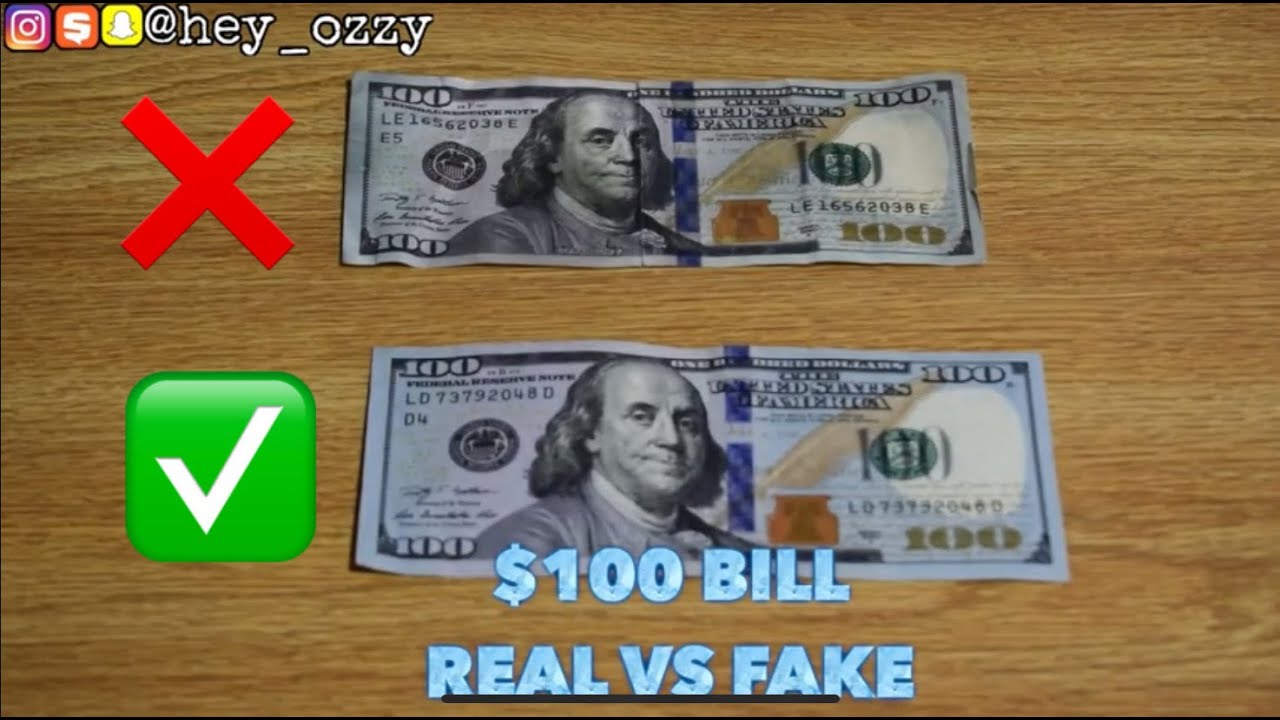
What Is a Fake Dollar Bill?
A fake dollar bill, also known as counterfeit currency, is an unauthorized imitation of official U.S. currency created with the intention of being used as real money.
The U.S. dollar contains several security technologies that help people distinguish authentic currency from counterfeit copies. These features include specialized paper, detailed printing techniques, embedded security elements, and design characteristics that are difficult to reproduce accurately.
Counterfeit currency affects consumers, retailers, financial institutions, and governments because fake money can enter everyday transactions before being detected.
Counterfeit Dollar vs Authentic Dollar: Basic Differences
| Feature | Authentic Dollar Bill | Counterfeit Dollar Bill |
|---|---|---|
| Paper Texture | Unique cotton-linen feel with distinct texture | May feel smoother, thinner, or different |
| Printing Quality | Sharp and detailed printing | Blurry lines or uneven details may appear |
| Security Features | Contains official security elements | Features may be missing or poorly reproduced |
| Color Accuracy | Consistent official colors | Colors may appear incorrect or faded |
| Serial Numbers | Clear and properly aligned | May look uneven or inconsistent |
Why Counterfeit Dollars Are Created
Counterfeit money is created by criminals attempting to pass fake currency as legitimate payment. These activities harm businesses and individuals who unknowingly accept fraudulent bills.
Common reasons counterfeit currency becomes a problem include:
- Fraudulent financial transactions
- Attempts to deceive retailers
- Illegal money schemes
- Criminal attempts to avoid financial losses
Important Security Features of U.S. Dollar Bills
Modern U.S. currency includes several authentication features. Learning these features is one of the most effective ways to understand how to identify fake dollar bills.
1. Paper Quality and Texture
Authentic U.S. currency is made from a specialized paper blend containing cotton and linen fibers. It has a unique texture that differs from ordinary printer paper.
When checking a suspicious bill:
- Feel the surface carefully.
- Notice whether the paper feels unusually smooth or thin.
- Compare it with a verified genuine note.
2. Raised Printing
One important feature of genuine U.S. currency is raised printing. The ink creates a slightly textured feeling in certain areas of the bill.
Running your fingers gently over the portrait area and printed sections can help identify differences between authentic and suspicious notes.
3. Watermark Verification
Many U.S. dollar denominations include watermarks that become visible when the bill is held toward light.
- The watermark should match the portrait on the bill.
- It should appear naturally within the paper.
- Printed images that imitate watermarks may appear flat.
4. Security Thread
Certain denominations contain an embedded security thread inside the currency paper.
When checking authenticity:
- Hold the bill toward a light source.
- Look for the embedded strip.
- Verify that it appears in the correct position for that denomination.
5. Color-Shifting Ink
Some U.S. currency uses specialized ink that changes appearance when viewed from different angles.
A missing or poorly reproduced color-changing effect can be a warning sign that a bill may not be authentic.
How to Identify Fake Dollar Bills
Understanding how to identify fake dollar bills becomes easier when you follow a consistent checking process. Whether you are a consumer, business owner, clothing brand operator, or someone handling cash payments, these simple steps can help you recognize suspicious currency.
The best approach is to use multiple authentication methods instead of relying on only one feature. Counterfeit bills may attempt to copy one security element, but reproducing every official feature accurately is much more difficult.
Feel the Dollar Bill
The first step is the simplest: use your sense of touch.
Authentic U.S. currency has a distinctive texture because of its specialized paper composition and printing process. Genuine bills often feel slightly rough and durable compared to regular paper.
What to check:
- Does the paper feel unusual, extremely smooth, or too thin?
- Does the bill feel similar to other genuine dollars?
- Are printed areas slightly raised?
A suspicious texture does not always confirm a counterfeit bill, but it is an important warning sign that requires further inspection.
Check the Printing Quality
Official currency uses advanced printing technology that creates extremely detailed designs. Counterfeit notes often show problems with clarity and precision.
Look for:
- Blurry lines
- Uneven borders
- Missing small details
- Smudged ink
- Poor-quality portraits
Pay close attention to fine details around portraits, numbers, and decorative patterns. Low-quality printing is one of the most common signs of counterfeit money.
Examine the Portrait
The portrait on a genuine dollar bill should appear clear, detailed, and balanced. Counterfeit versions may have a flat or unnatural appearance.
| Authentic Portrait | Suspicious Portrait |
|---|---|
| Sharp facial details | Blurry or unclear features |
| Natural shading | Uneven or dark printing |
| Detailed engraving style | Flat printed appearance |
Look at Serial Numbers
Every genuine U.S. dollar bill contains serial numbers printed in a consistent format.
When checking serial numbers, examine:
- Spacing between numbers
- Alignment
- Font consistency
- Printing quality
Numbers that appear uneven, poorly printed, or inconsistent may indicate a problem.
Hold the Bill Toward Light
Many modern U.S. currency designs include security features visible when the bill is held toward light.
Check for:
- Watermarks
- Embedded security threads
- Additional security markings depending on denomination
Remember that security features vary between different dollar denominations, so always compare against official references for that specific bill.
Step 6: Compare With a Genuine Bill
One of the easiest ways to spot differences is comparing a suspicious note with a confirmed authentic bill of the same denomination.
Compare:
- Paper texture
- Color appearance
- Portrait quality
- Serial number placement
- Security elements
Common Signs of Counterfeit Dollar Bills
Although counterfeit techniques continue changing, many fake bills share similar warning signs.
1. Poor Paper Quality
A fake dollar may feel different from genuine currency. Some counterfeit notes are printed on commercially available paper, which can feel too soft, too smooth, or too thin.
2. Incorrect Colors
Authentic currency has carefully controlled colors and printing. Counterfeit bills may appear:
- Too dark
- Too light
- Faded
- Different from normal currency
3. Missing Security Features
A major warning sign is the absence of security features expected for a particular denomination.
Always verify the official security characteristics of the specific bill design instead of assuming every dollar contains identical features.
4. Strange Printing Errors
Watch for unusual printing problems such as:
- Misaligned images
- Uneven ink coverage
- Incorrect spacing
- Unclear fine details
5. Suspiciously New-Looking Bills
A very clean appearance alone does not mean a bill is fake. However, if a bill looks unusually different from normal currency while also showing other warning signs, additional verification may be necessary.
How to Identify Fake Dollar Bills Using Professional Tools
Businesses that handle frequent cash transactions may use additional verification tools to reduce risk.
Currency Detection Pens
Counterfeit detection pens are commonly used by retailers. They help identify some types of suspicious paper, although they should not be the only verification method.
UV Light Verification
Some businesses use ultraviolet light devices to check hidden security features found in certain currency designs.
Magnifying Tools
Magnification allows users to inspect:
- Microprinting details
- Fine lines
- Printing accuracy
Common Mistakes People Make When Checking Dollar Bills
Many people only check one feature and assume the bill is genuine. This can create problems because counterfeiters may successfully copy individual elements.
Only Checking With a Pen
A detection pen is only one tool. It does not replace a complete inspection process.
Ignoring Small Details
Small details such as printing quality, alignment, and security elements often reveal whether a bill is suspicious.
Not Checking Different Denominations
Different U.S. dollar denominations have different security designs. A person familiar with one bill may not recognize features on another.
How Businesses Can Protect Against Fake Dollars
Businesses that accept cash payments should create simple verification procedures for employees.
Best Practices for Retailers and Small Businesses
- Train employees on currency security features.
- Use multiple verification methods.
- Keep official currency guides available.
- Avoid rushing cash checks during busy periods.
- Handle suspicious bills according to local regulations.
Why This Matters for Clothing Brands and Creative Businesses
Streetwear brands, custom apparel businesses, and independent creators often sell products through markets, pop-up events, and local transactions where cash payments may still occur.
For businesses like Counterfeit Print Lab, understanding payment security is part of building trust with customers. A professional brand protects both product quality and transaction safety.
Expert Tips for Quickly Checking Currency
- Use the “feel, look, and check” method: Feel the paper, look at security details, and verify suspicious features.
- Compare whenever unsure: A genuine bill from the same denomination makes comparison easier.
- Do not rely on appearance alone: Some counterfeit notes can look convincing at first glance.
- Use official resources: Government currency guides provide the most reliable information.
Quick Checklist: How to Identify Fake Dollar Bills
| Check | Question |
|---|---|
| Texture | Does the paper feel authentic? |
| Printing | Are details sharp and clear? |
| Portrait | Does it look detailed and natural? |
| Security Features | Are expected features present? |
| Serial Numbers | Are numbers aligned and consistent? |
| Comparison | Does it match a verified bill? |
Pros and Cons of Learning How to Identify Fake Dollar Bills
Understanding how to identify fake dollar bills provides valuable protection for individuals and businesses. However, like any verification process, there are both advantages and limitations.
Pros of Knowing How to Identify Counterfeit Dollars
- Protects your money: Recognizing suspicious currency helps reduce financial losses caused by accepting counterfeit bills.
- Improves business security: Retailers and small businesses can train employees to detect suspicious payments.
- Builds customer trust: Professional payment handling creates confidence among customers.
- Requires minimal equipment: Many basic checks can be performed using simple observation and touch.
- Reduces fraud risks: Awareness makes it harder for counterfeit money to circulate unnoticed.
Cons of Identifying Fake Dollar Bills
- Some counterfeits can be convincing: Advanced counterfeit attempts may require professional verification.
- Security features change: People need updated information about currency designs.
- Manual checking takes time: Businesses handling many transactions may need additional systems.
- One test is not enough: A single method cannot guarantee authenticity.
People Also Ask: How to Identify Fake Dollar Bills
1. How can you quickly tell if a dollar bill is fake?
A quick check involves feeling the paper texture, examining print quality, looking for security features, and comparing the bill with a genuine note of the same denomination.
2. What is the easiest way to identify fake money?
The easiest method is using multiple checks together: feel the bill, look closely at printing details, and verify security features designed for that denomination.
3. Can fake dollar bills feel real?
Some counterfeit bills can feel similar to genuine currency, especially when created using advanced methods. This is why checking multiple security features is important.
4. Can a bank detect counterfeit dollars?
Yes. Financial institutions use professional equipment and verification procedures to identify suspicious currency.
5. What happens if you accidentally receive fake money?
If you discover suspicious currency, avoid attempting to use it. Follow appropriate local procedures and contact relevant authorities or financial institutions for guidance.
6. Are all old dollar bills fake?
No. Older currency designs can still be legitimate. Authenticity depends on security features and official verification, not simply the age of the bill.
7. Do counterfeit detection pens always work?
Detection pens may help identify certain suspicious notes, but they should not be the only verification method because they have limitations.
8. Why do counterfeit dollars exist?
Counterfeit dollars are created by criminals attempting to imitate legitimate currency for illegal financial gain.
9. How can small businesses prevent counterfeit money?
Businesses can reduce risk by training employees, using verification tools, creating cash-handling procedures, and staying informed about currency security features.
10. Where can I learn official dollar authentication methods?
The best sources are official government currency education resources and trusted financial institutions.
11. Can smartphones detect fake money?
Some applications and devices may assist with verification, but they should not replace official authentication methods and careful inspection.
12. Is counterfeit money illegal?
Yes. Creating or knowingly using counterfeit currency is illegal and can result in serious legal consequences.
13. What dollar denominations have security features?
Different U.S. dollar denominations include different security features. Always check official information for the specific denomination being examined.
14. How common is counterfeit currency?
Counterfeit currency exists, but official security features and law enforcement efforts help reduce its impact.
15. Should I keep a suspicious dollar bill?
Do not attempt to spend suspicious currency. Follow proper reporting and handling procedures instead.
Conclusion: Stay Protected by Learning How to Identify Fake Dollar Bills
Knowing how to identify fake dollar bills is a practical skill that can protect individuals, customers, and businesses from financial risks.
While counterfeiters continue attempting to imitate real currency, official dollar bills include multiple security features designed to make verification possible. By using a combination of touch, visual inspection, comparison, and trusted resources, you can make better decisions when handling cash.
For businesses, especially growing brands and creative companies, protecting every transaction helps build long-term trust. Strong business practices include not only delivering quality products but also creating safe and reliable customer experiences.
If you run a streetwear brand, apparel business, or creative company, continue improving your brand knowledge, security practices, and customer trust. Professional attention to every detail helps create a stronger business foundation.
How to Identify Fake Dollar Bills: Complete Guide to Spot Counterfeit Money
Counterfeit currency can create unexpected problems for consumers, retailers, and small businesses. Learning how to identify fake dollar bills helps you recognize suspicious money, reduce financial risks, and handle cash transactions with confidence.
What Is a Fake Dollar Bill?
A fake dollar bill, also known as counterfeit currency, is an unauthorized imitation of official U.S. currency. Counterfeit notes are created to look similar to legitimate money but lack the complete security features found in genuine currency.
How to Identify Fake Dollar Bills Quickly
- Feel the paper texture and printing quality.
- Look carefully at portraits and fine details.
- Check security features based on denomination.
- Compare suspicious notes with authentic currency.
- Use trusted verification resources when necessary.
Final Thoughts
Learning how to identify fake dollar bills is a valuable skill for anyone handling cash. Awareness, careful inspection, and trusted information sources help reduce risks and protect financial transactions.
Frequently Asked Questions
How can I quickly check if a dollar is fake?
Use a combination of touch, visual inspection, security feature checks, and comparison with a verified genuine bill.
Can counterfeit bills look real?
Some counterfeit bills can appear convincing, which is why checking multiple features is recommended.
What should I do with suspicious currency?
Avoid using suspicious currency and follow appropriate reporting procedures.
Recommended Image Placement
- Place the main featured image after the introduction.
- Add security feature images inside relevant H2 sections.
- Use infographic-style visuals for checklist sections.
- Keep image file sizes optimized for faster WordPress loading.
What Is a Fake Dollar Bill?
A fake dollar bill is an unauthorized imitation of official U.S. currency. Counterfeit money attempts to copy real currency but may contain differences in paper quality, printing, security elements, or overall appearance.
How to Identify Fake Dollar Bills
Follow these basic steps:
- Feel the texture of the bill.
- Check printing quality and fine details.
- Look for security features.
- Compare with a verified authentic bill.
- Use official resources when unsure.
Important Things to Check
Paper Quality
Authentic currency has a unique texture that differs from ordinary paper.
Printing Details
Genuine bills contain detailed printing. Blurry or unclear details may indicate a suspicious note.
Security Features
Different denominations include different security elements. Always verify the correct features for the specific bill.
Protecting Your Business From Counterfeit Money
- Train employees.
- Create payment verification procedures.
- Use trusted checking methods.
- Stay updated about currency designs.
Final Conclusion
Understanding how to identify fake dollar bills helps protect individuals and businesses from unnecessary financial risks. A careful inspection process combined with trusted information sources creates safer transactions.

