
Wissen Wie man sagt, ob ein Zwei-Dollar-Schein real ist kann Ihnen helfen, eine gefälschte Notiz zu vermeiden und Ihnen mehr Vertrauen beim Umgang mit ungewöhnlicher oder älterer US-Währung zu geben. Obwohl die $2 Bill ist eine legitime Bezeichnung, die von der Federal Reserve ausgegeben wird, sie wird weniger häufig in alltäglichen Transaktionen gesehen als $1, $5, $10, $20 oder höherwertige Noten.
Die gute Nachricht ist, dass Sie keine spezielle Ausrüstung benötigen, um eine Erstinspektion durchzuführen. Sie können damit beginnen, das Gesamtbild der Notiz, das Papiergefühl, die Druckqualität, Siegel, Seriennummern und andere identifizierbare Merkmale zu untersuchen. Das offizielle US-Währungsbildungsprogramm empfiehlt, die Sicherheits- und Designmerkmale der echten US-Währung zu erlernen und einfache Authentifizierungstechniken wie das Fühlen des Papiers und die sorgfältige Überprüfung der Notiz zu verwenden.
Es ist jedoch wichtig zu verstehen, dass nicht jedes Sicherheitsmerkmal, das auf der modernen US-Währung zu finden ist, auf einer $2 Rechnung. Zum Beispiel die aktuelle $2 Anmerkungen nicht haben das Wasserzeichen, den eingebetteten Sicherheitsfaden oder die farbwechselnde Tinte, die üblicherweise mit höheren Nennwerten assoziiert ist. Der Beamte $2 note guide identifiziert merkmale wie erhöhtes drucken, baumwoll- und leinenpapier, rote und blaue sicherheitsfasern, federal reserve und Treasury-siegel, das thomas jefferson porträt und übereinstimmende seriennummern.
Dieser Leitfaden erklärt Wie man sagt, ob ein Zwei-Dollar-Schein real ist Verwendung öffentlich verfügbarer Informationen bei gleichzeitiger Vermeidung von Methoden, die jemandem helfen könnten, gefälschte Währungen zu reproduzieren, zu verändern oder zu zirkulieren.
Schnelle Antwort: Wie man sagt, ob ein Zwei-Dollar-Schein real ist
Wenn Sie eine schnelle Antwort auf Wie man sagt, ob ein Zwei-Dollar-Schein real istBeginnen Sie mit der Textur der Notiz, der Druckqualität, den Siegeln, den Seriennummern und dem Gesamtdesign. Echt $2 Die Federal Reserve Note sollte das unverwechselbare Gefühl von US-Währungspapier, erhöhtem Druck, klaren und präzisen Kunstwerken, angemessenen Treasury- und Federal Reserve-Siegeln und übereinstimmenden Seriennummern auf der Vorderseite haben. echt $2 Notizen enthalten auch rote und blaue Sicherheitsfasern im Papier.
Gehen Sie nicht davon aus, dass jeder $2 bill sollte ein wasserzeichen oder sicherheitsfaden enthalten. Diese Merkmale sind mit Bezeichnungen von $5 und höher, während die $2 note hat seine eigenen authentifizierungsmerkmale.
Wenn mehrere Eigenschaften verdächtig aussehen, versuchen Sie nicht, die Notiz auszugeben. Lassen Sie es stattdessen von einem geeigneten Finanzinstitut oder einer entsprechenden Behörde prüfen.
Warum lernen, wie man sagt, ob eine Zwei-Dollar-Scheine real ist
Gefälschte Währung kann auf den ersten Blick überzeugend erscheinen, besonders wenn eine Person mit der Bezeichnung nicht vertraut ist. Weil $2 Rechnungen sind in alltäglichen Transaktionen relativ ungewöhnlich, jemand kann sofort davon ausgehen, dass eine ungewöhnlich aussehende Notiz falsch ist, nur weil sie anders aussieht als das Geld, mit dem sie normalerweise umgehen.
Diese Annahme kann irreführend sein. Die Federal Reserve gibt es derzeit $1, $2, $5, $10, $20, $50 und $100 Banknoten und US-Währungsdesigns können variieren, je nachdem, wann eine Notiz ausgegeben wurde. Die US-Regierung erklärt, dass alle Designs der US-Währung gesetzliches Zahlungsmittel bleiben, unabhängig davon, wann sie ausgegeben wurden.
Dies bedeutet, dass Alter, Designunterschiede oder Unbekanntheit allein nicht beweisen, dass ein $2 Bill ist gefälscht.
Verständnis Wie man sagt, ob ein Zwei-Dollar-Schein real ist ist daher nützlicher, als sich nur auf das Aussehen zu verlassen. Anstatt zu fragen, ob eine Notiz einfach "normal aussieht", vergleichen Sie mehrere echte Eigenschaften zusammen.
Die USA verstehen $2 Billionen
Die moderne $2 Federal Reserve Note wurde 1976 wieder eingeführt und zeigt ein Porträt von Thomas Jefferson auf der Vorderseite. Die Rückseite zeigt eine Gravur, die auf John Trumbulls Gemälde der Unterzeichnung der Unabhängigkeitserklärung basiert.
Die $2 Notiz von 1976 bis heute hat ein relativ konsistentes Design beibehalten. Laut dem US-Währungsbildungsprogramm ist die $2 Note wurde nicht in der gleichen Weise wie mehrere höhere Stückelungen neu gestaltet, weil es selten gefälscht wird.
Dies ist wichtig beim Lernen Wie man sagt, ob ein Zwei-Dollar-Schein real ist Weil eine echte $2 bill hat möglicherweise nicht einige der hoch erkennbaren sicherheitsmerkmale, die auf modern gefunden werden. $20, $50 oder $100 Noten.
Wie man sagt, ob ein Zwei-Dollar-Schein real ist, indem man das Papier überprüft
Eine der einfachsten Möglichkeiten, mit dem Lernen zu beginnen Wie man sagt, ob ein Zwei-Dollar-Schein real ist Es ist, das Papier zu fühlen.
Echte US-Noten der Federal Reserve sind auf einem unverwechselbaren Papier aus einer Mischung aus Baumwolle und Leinen gedruckt. Der Beamte $2 Note Information besagt, dass Federal Reserve Notenpapier ein Viertel Leinen und drei Viertel Baumwolle ist und rote und blaue Sicherheitsfasern enthält.
Eine echte Notiz sollte sich nicht genau wie gewöhnliches Druckerpapier anfühlen. Es hat im Allgemeinen eine unverwechselbare Textur, die erfahrene Bargeldakteure erkennen können.
Fühlen Sie die Oberfläche
Führen Sie Ihre Finger leicht über die gedruckten Bereiche der Rechnung. Echte Federal Reserve-Noten verwenden erhöhten Druck, der zu ihrer charakteristischen Textur beiträgt. Der Beamte $2 Note Guide identifiziert speziell erhöhten Druck als ein wichtiges Merkmal.
Eine Notiz, die sich ungewöhnlich glatt, übermäßig dünn, glänzend oder ähnlich wie gewöhnliches Büropapier anfühlt, verdient eine genauere Betrachtung.
Denken Sie jedoch daran, dass die Zirkulation den physischen Zustand einer echten Währung beeinflussen kann. Eine stark abgenutzte $2 bill kann sich anders anfühlen als eine knackige, neu herausgegebene notiz. Daher sollte die Textur zusammen mit anderen Eigenschaften betrachtet und nicht als einziger endgültiger Test behandelt werden.
Untersuchen Sie die Druckqualität
Druckqualität ist ein weiterer nützlicher Teil des Verständnisses Wie man sagt, ob ein Zwei-Dollar-Schein real ist.
Schauen Sie sich das Porträt, die Grenzen, die Schriftzüge, Zahlen, Siegel und detaillierte Kunstwerke genau an. Echte US-Währung enthält sehr detaillierte gravierte Druck. Linien und Details sollten im Allgemeinen sauber und gut definiert erscheinen, anstatt wie eine Fotokopie von geringer Qualität auszusehen.
Achten Sie auf:
- Blurry Schriftzug
- Unebene Grenzen
- Schlecht definierte Porträtdetails
- Verwischte Robben
- Falsch ausgerichtete Elemente
- Ungewöhnlich schwacher oder zu dunkler Druck
- Seltsame Schriftarten oder Abstände
- Offensichtliche Unterschiede in der Bildqualität
Ein verdächtiges Merkmal an sich beweist nicht automatisch, dass eine Notiz gefälscht ist. Eine echte Rechnung kann schmutzig, verblasst, zerkleinert oder durch den Umlauf beschädigt werden.
Ziel ist es, mehrere Inkonsistenzen zu identifizieren, anstatt sich auf einen visuellen Hinweis zu verlassen.
Sehen Sie sich das Thomas Jefferson Portrait an
Die Front eines echten $2 bill zeigt thomas jefferson. Das Porträt ist ein wichtiges Gestaltungselement und sollte einen klaren, detaillierten Druck haben.
Bei der Bestimmung Wie man sagt, ob ein Zwei-Dollar-Schein real istVergleichen Sie das Porträt mit einem vertrauenswürdigen Referenzbild desselben $2 Notentyp. Suchen Sie nach allgemeiner Konsistenz im Porträt, dem umgebenden Text, den Grenzen und den Nennwerten.
Beurteilen Sie nicht die Authentizität, nur weil ein Porträt alt oder leicht verblasst aussieht. Währung kann jahrelang im Umlauf bleiben, und normale Abnutzung kann ihr Aussehen beeinflussen.
Suchen Sie stattdessen nach Anzeichen dafür, dass das gesamte Design schlecht oder inkonsistent reproduziert wurde.
Inspizieren Sie das Treasury Seal
Das Green Treasury-Siegel ist ein weiteres wichtiges Merkmal der $2 Rechnung.
Das offizielle US-Währungsbildungsprogramm identifiziert das grüne Siegel rechts von Jeffersons Porträt als Vertreter des US-Finanzministeriums.
Beim Lernen Wie man sagt, ob ein Zwei-Dollar-Schein real ist, überprüfen Sie das Siegel auf Klarheit, Positionierung und Gesamtkonsistenz mit einem echten Referenzvermerk.
Ein verdächtiges Siegel kann schlecht gedruckt, ungewöhnlich verschwommen, falsch geformt oder inkonsistent mit dem Rest der Notiz erscheinen.
Auch hier ist der Zustand der Rechnung wichtig. Schmutz, Verschleiß, Falten und Verblassen können beeinflussen, wie eine echte Dichtung erscheint.
Überprüfen Sie das Federal Reserve Bank Seal
Echt $2 Federal Reserve Note hat auch ein schwarzes Federal Reserve Bank Siegel links vom Porträt. Das Siegel identifiziert die Federal Reserve Bank, die mit der Verteilung der Note verbunden ist.
Untersuchen Sie das Siegel sorgfältig und vergleichen Sie sein Aussehen mit einer offiziellen Referenz.
Die Federal Reserve Bank Identifikation ist Teil des Designs der Note und sollte nicht einfach wie ein generischer Text oder ein schlecht reproduziertes Symbol aussehen.
Wenn Sie fragen Wie man sagt, ob ein Zwei-Dollar-Schein real istWenn Sie sowohl das Federal Reserve-Siegel als auch das Treasury-Siegel überprüfen, erhalten Sie eine weitere Gelegenheit, Inkonsistenzen zu identifizieren.
Untersuchen Sie die Seriennummern
Seriennummern sind ein weiteres nützliches Merkmal beim Lernen Wie man sagt, ob ein Zwei-Dollar-Schein real ist.
Der Beamte $2 Note Guide besagt, dass eine Kombination von elf Zahlen und Buchstaben zweimal auf der Vorderseite der Note erscheint.
Schauen Sie sich beide Seriennummern an und stellen Sie sicher, dass sie korrekt übereinstimmen.
Achten Sie auf:
- Fehlende Zeichen
- Offensichtliche Druckfehler
- Ungewöhnliche Schriftarten
- Inkonsistenter Abstand
- Zahlen, die verändert erscheinen
- Seriennummern, die nicht zueinander passen
Ein Missverhältnis kann ein starker Grund sein, eine professionelle Überprüfung zu suchen.
Eine Seriennummer, die ungewöhnlich aussieht, ist jedoch nicht automatisch ein Beweis für Fälschungen. Echte Währung kann ungewöhnliche Seriennummernkombinationen haben, und Sammler können bestimmte Seriennummernmuster schätzen.
Die Schlüsselfrage ist, ob die Seriennummern mit dem Rest der Notiz und dem erwarteten Design übereinstimmen.
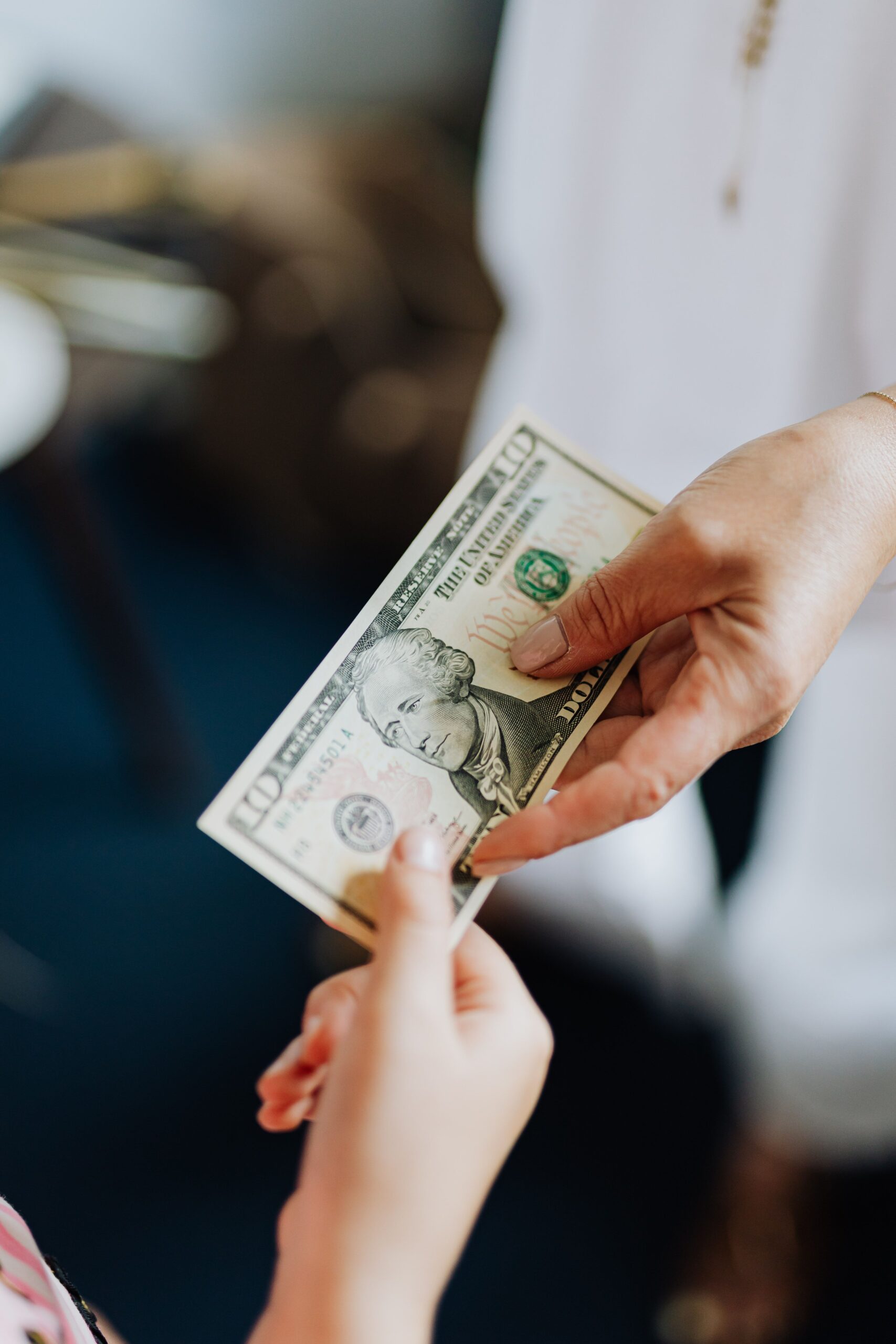
Suchen Sie nach roten und blauen Sicherheitsfasern
Ein wichtiger Teil des Verständnisses Wie man sagt, ob ein Zwei-Dollar-Schein real ist Es ist bekannt, dass echtes US-Währungspapier kleine rote und blaue Sicherheitsfasern enthält.
Der Beamte $2 Notizen bestätigen, dass diese Fasern in das Währungspapier eingearbeitet sind.
Diese Fasern unterscheiden sich vom farbigen Druck auf gewöhnlichem Papier.
Wenn Sie eine verdächtige Notiz prüfen, schauen Sie sich das Papier selbst an, anstatt sich nur auf das gedruckte Kunstwerk zu konzentrieren.
Versuchen Sie nicht, eine Banknote zu beschädigen, zu schneiden oder anderweitig zu verändern, um ihre Konstruktion zu überprüfen. Eine normale visuelle Untersuchung ist sicherer und angemessener.
Hat a $2 Bill haben ein Wasserzeichen?
Dies ist eine der wichtigsten Fragen im Zusammenhang mit Wie man sagt, ob ein Zwei-Dollar-Schein real ist.
Die Antwort lautet: Nein—Nicht jede echte US-Banknote hat ein Wasserzeichen, und die $2 note hat nicht das porträt wasserzeichen auf den bezeichnungen von. $5 und höher.
Das US-Währungsbildungsprogramm erklärt, dass Wasserzeichen Merkmale sind, die auf $5 und höhere Bezeichnungen.
Daher sollte jemand eine echte $2 rechnung, nur weil sie kein wasserzeichen sehen können.
Dies ist ein gutes Beispiel dafür, warum die Authentifizierung einer Banknote stückelungsspezifische Kenntnisse erfordert. Die Sicherheitsmerkmale sind nicht in allen US-Währungen identisch.
Hat a $2 Bill haben einen Sicherheitsfaden?
Eine weitere häufige Frage ist, ob ein Zwei-Dollar-Schein einen Sicherheitsfaden enthalten sollte.
Die Antwort ist auch nein für die Norm $2 Anmerkung.
Der offizielle US-Währungsführer erklärt, dass Sicherheitsfäden auf Nennwerten von $5 und höher.
Dies bedeutet, dass das Fehlen eines Sicherheitsthreads an sich kein Beweis dafür ist, dass ein $2 Bill ist gefälscht.
Diese Unterscheidung ist besonders wichtig für jeden, der erforscht Wie man sagt, ob ein Zwei-Dollar-Schein real ist weil viele online-artikel zur fälschungserkennung sicherheitsfäden diskutieren, ohne zu erklären, dass das feature nicht für jede bezeichnung gilt.
Hat a $2 Bill haben Farbe-Shifting Tinte?
Farbwandelnde Tinte ist ein weiteres Merkmal, das häufig missverstanden wird.
Das offizielle US-Währungsbildungsprogramm besagt, dass farbverändernde Tinte auf Nennwerten von $10 und höher.
Daher sollten Sie die großen Nennwerte auf einem Standard nicht erwarten $2 Rechnung, um sich wie die Farbverschiebungszahlen zu verhalten, die auf bestimmten höherwertigen US-Notizen gefunden werden.
Wenn Ihnen jemand sagt, dass jede echte US-Rechnung farbverändernde Tinte haben muss, sind diese Informationen falsch.
Beim Lernen Wie man sagt, ob ein Zwei-Dollar-Schein real ist, passen Sie immer das Sicherheitsmerkmal auf die spezifische Bezeichnung.
Untersuchen Sie die Rückseite des $2 Billionen
Die Rückseite des $2 Note ist ein weiterer wertvoller Vergleichspunkt.
Es zeigt eine Gravur, die auf John Trumbulls "Unabhängigkeitserklärung" basiert. Das offizielle US-Währungsbildungsprogramm stellt fest, dass das Originalgemälde 47 Männer umfasste, während Platzbeschränkungen auf der Note dazu führten, dass 42 vertreten waren.
Schauen Sie sich die Gesamtdetails, Grenzen, Schriftzüge und Anordnung an.
Eine schlechte Reproduktion kann offensichtliche visuelle Inkonsistenzen zeigen. Zum Beispiel kann das Bild übermäßig verschwommen erscheinen oder das detaillierte gravierte Aussehen fehlen, das mit echter Währung verbunden ist.
Bei der Überprüfung Wie man sagt, ob ein Zwei-Dollar-Schein real istDie Untersuchung beider Seiten ist wichtig, da sich Fälscher stärker auf die Reproduktion der erkennbarsten frontseitigen Elemente konzentrieren können.
Vergleichen Sie die Notiz mit einem bekannten Original $2 Billionen
Eine der praktischsten Möglichkeiten zu verstehen Wie man sagt, ob ein Zwei-Dollar-Schein real ist ist es, die verdächtige Note mit einem bekannten echten Beispiel zu vergleichen.
Im Idealfall vergleichen Sie Notizen des gleichen allgemeinen Designs und Zustands.
Schauen Sie sich an:
- Papiertextur
- Porträtdetails
- Grenzen
- Schatzsiegel
- Federal Reserve Siegel
- Seriennummern
- Typografie
- Rückendesign
- Gesamtdruckqualität
Ein Side-by-Side-Vergleich kann Unterschiede aufdecken, die beim Betrachten nur einer Note schwer zu bemerken sind.
Vermeiden Sie jedoch Annahmen, die ausschließlich auf geringfügigen Unterschieden beruhen, die durch Verschleiß, Druckvariationen oder Unterschiede zwischen echten Problemen verursacht werden.
Verwenden Sie die Vergrößerung vorsichtig
Eine Vergrößerung kann bei der Überprüfung der Druckqualität nützlich sein, insbesondere für ausgebildete Bargeldakteure oder Fachleute.
Das offizielle US-Währungsbildungsprogramm stellt fest, dass Mikrodruck auf mehreren US-Stückelungen verwendet wird, insbesondere $5 und höher.
Weil die $2 Note hat seine eigenen Sicherheits- und Designmerkmale, gehen Sie nicht davon aus, dass jedes Mikrodruck- oder Vergrößerungsmerkmal für eine $20 oder $100 Rechnung gilt für eine $2 Rechnung.
Eine Lupe kann Ihnen helfen, verdächtige Drucke zu untersuchen, ersetzt jedoch keine professionelle Authentifizierung.
Was ist mit UV-Licht?
UV-Licht ist oft mit der Währungsauthentifizierung verbunden. Es ist jedoch wichtig, nicht davon auszugehen, dass jede US-Bezeichnung die gleichen UV-Eigenschaften aufweist.
Das US-Währungsbildungsprogramm umfasst die UV-Inspektion unter den allgemeinen Authentifizierungstechniken, es müssen jedoch stückelungsspezifische Merkmale berücksichtigt werden.
Für eine Norm $2 bill, die relevanteren ersten prüfungen sind sein papier, erhöhter druck, sicherheitsfasern, siegel, seriennummern, porträt und gesamtdesign.
Wenn eine Notiz verdächtig ist, sollte die UV-Inspektion als zusätzliche Beobachtung und nicht als eigenständiges Urteil behandelt werden.
Gemeinsame Zeichen Das a $2 Bill kann verdächtig sein
Beim Lernen Wie man sagt, ob ein Zwei-Dollar-Schein real istSuchen Sie nach mehreren Warnzeichen anstelle eines isolierten Merkmals.
Mögliche rote Flaggen können sein:
Ungewöhnliches Papier
Wenn sich die Note wesentlich von der echten US-Währung unterscheidet, untersuchen Sie weiter.
Schlechter Druck
Unschärfere Bilder, schwache Details, seltsame Schriftarten oder offensichtliche Reproduktionsartefakte können auf ein Problem hinweisen.
Falsche Siegel
Die Siegel des US-Finanzministeriums und der Federal Reserve sollten mit der Bezeichnung und dem Design übereinstimmen.
Nicht übereinstimmende Seriennummern
Die beiden Seriennummern sollten korrekt übereinstimmen.
Seltsamer Text
Fremdschreiben, ungewöhnliche Formulierungen oder Phrasen wie "Replica" oder "For Motion Picture Use Only" können Warnzeichen sein. Das US-Währungsbildungsprogramm rät den Bargeldakteuren ausdrücklich, bei solchen Markierungen vorsichtig zu sein.
Falsche Sicherheitserwartungen
Eine Notiz sollte nicht automatisch als Fälschung betrachtet werden, da es kein Wasserzeichen, keinen Sicherheitsfaden oder keine farbverändernde Tinte gibt. Diese Merkmale sind keine Standardmerkmale der $2 Stückelung.
Häufige Fehler, die Menschen beim Überprüfen eines $2 Billionen
Es gibt mehrere Missverständnisse über Wie man sagt, ob ein Zwei-Dollar-Schein real ist.
Ein häufiger Fehler ist die Annahme, dass alle US-Rechnungen identische Sicherheitsmerkmale haben. Das tun sie nicht. Jede Stückelung hat Sicherheits- und Designmerkmale, die für diese Stückelung geeignet sind.
Ein weiterer Fehler ist zu glauben, dass eine alt aussehende $2 bill muss gefälscht sein. Echte US-Währung kann gesetzliches Zahlungsmittel bleiben, unabhängig davon, wann sie ausgegeben wurde.
Ein dritter Fehler besteht darin, sich ausschließlich auf gefälschte Erkennungsstifte oder einen einzigen Test zu verlassen. Ein einzelnes Werkzeug kann begrenzte Informationen liefern und sollte die Prüfung der allgemeinen Sicherheits- und Designmerkmale der Notiz nicht ersetzen.
Schließlich gehen einige Leute davon aus, dass eine selten aussehende Seriennummer beweist, dass die Rechnung gefälscht ist. Seriennummernmuster können bei echter Währung ungewöhnlich sein, daher ist Seltenheit allein keine Authentifizierung.
Sind alt $2 Rechnungen noch Legal Tender?
Ja. Die US-Regierung erklärt, dass alle Designs der US-Währung gesetzliches Zahlungsmittel bleiben, unabhängig davon, wann sie ausgegeben wurden. Dazu gehören Federal Reserve Noten aus älteren Perioden.
Daher ist eine ältere $2 Rechnung sollte nicht automatisch als Fälschung behandelt werden.
Collectors may also be interested in older notes for historical or numismatic reasons. Value can depend on factors such as condition, rarity, issue, and collector demand, rather than simply the face value.
If you are unsure whether an old $2 bill is genuine, professional examination is preferable to making a decision based solely on its age or appearance.
Can a Bank Verify a Suspicious $2 Bill?
If you remain uncertain after performing a visual inspection, the safest approach is to consult an appropriate financial institution or relevant authority.
A bank or trained financial professional may have access to authentication resources and procedures that are not available to ordinary consumers.
The U.S. Currency Education Program provides training resources for cash handlers and explains that people who suspect a counterfeit note should follow appropriate counterfeit-reporting procedures.
Do not attempt to pass a suspicious note to another person as genuine.
What Should You Do If You Think a $2 Bill Is Counterfeit?
If you believe you have received a counterfeit $2 bill, understanding Wie man sagt, ob ein Zwei-Dollar-Schein real ist can help you recognize suspicious characteristics, but do not knowingly use the note as genuine currency.
Instead, separate the suspicious note from your legitimate cash and contact an appropriate financial institution or authority for guidance. Learning Wie man sagt, ob ein Zwei-Dollar-Schein real ist is useful for initial inspection, but professional verification is recommended when you are uncertain.
If the note came from a transaction, remember as much as you reasonably can about where and when you received it. Do not confront or accuse another person based solely on your suspicion. Knowing Wie man sagt, ob ein Zwei-Dollar-Schein real ist does not by itself establish where a suspicious note came from or who may have handled it previously.
Most importantly, do not attempt to alter, reproduce, repair, or circulate the suspicious note. The purpose of learning Wie man sagt, ob ein Zwei-Dollar-Schein real ist is to identify potentially problematic currency and handle it responsibly—not to find ways to make questionable notes appear genuine.
Can a Counterfeit Detection Machine Identify a Fake $2 Bill?
Some currency-authentication equipment is designed to help cash handlers identify suspicious notes. However, equipment capabilities vary, and not every device is designed specifically for every denomination. Understanding Wie man sagt, ob ein Zwei-Dollar-Schein real ist can help you use authentication equipment more effectively.
The U.S. Currency Education Program provides educational tools for cash handlers, including resources explaining how to authenticate U.S. currency. These resources can also help people understand Wie man sagt, ob ein Zwei-Dollar-Schein real ist by becoming familiar with genuine currency characteristics.
If you operate a business that regularly handles cash, choose authentication equipment appropriate for the denominations and currency you actually process. Knowing Wie man sagt, ob ein Zwei-Dollar-Schein real ist can provide useful background knowledge when selecting or using currency-authentication equipment.
Different devices may use different detection methods, so learning Wie man sagt, ob ein Zwei-Dollar-Schein real ist should not depend on a single machine or testing method. Equipment should be used according to the manufacturer’s instructions and for the currencies and denominations it is designed to examine.
For occasional personal checking, however, understanding the note’s genuine design and security characteristics is an important first step. Learning Wie man sagt, ob ein Zwei-Dollar-Schein real ist through careful observation can help you recognize suspicious characteristics before seeking professional verification when necessary.
A Simple $2 Bill Authentication Checklist
If you want a practical summary of Wie man sagt, ob ein Zwei-Dollar-Schein real ist, use this checklist:
1. Feel the Paper
Check whether the paper has the distinctive texture associated with genuine U.S. currency.
2. Überprüfen Sie den erhöhten Druck
Genuine $2 notes feature raised printing that contributes to their characteristic feel.
3. Inspect the Portrait
Look closely at the Thomas Jefferson portrait and its printing quality.
4. Check the Treasury Seal
Look at the green Treasury seal for consistency and clarity.
5. Check the Federal Reserve Seal
Inspect the black Federal Reserve Bank seal on the front.
6. Compare Serial Numbers
The serial numbers on the front should correspond correctly.
7. Look at the Security Fibers
Genuine currency paper contains red and blue security fibers.
8. Examine Both Sides
Compare the front and back design with a trusted reference.
9. Do Not Expect Every Security Feature
A $2 bill does not have the same watermark, security thread, and color-shifting features associated with higher denominations.
10. Seek Professional Verification
If multiple characteristics appear suspicious, have the note checked by an appropriate financial institution or authority.
Why You Should Not Rely on One Test
Verständnis Wie man sagt, ob ein Zwei-Dollar-Schein real ist requires looking at the whole note rather than relying on a single feature. A genuine bill can be dirty, wrinkled, faded, torn, or heavily circulated, while a counterfeit bill may imitate one or more visual characteristics convincingly.
Beim Lernen Wie man sagt, ob ein Zwei-Dollar-Schein real ist, it is important to examine several independent characteristics. Checking the paper texture, printing quality, seals, serial numbers, security fibers, and overall design can provide a more reliable initial assessment.
The official U.S. Currency Education Program promotes a broader “feel, tilt, check” approach for U.S. currency authentication and provides denomination-specific information. This makes it easier to understand Wie man sagt, ob ein Zwei-Dollar-Schein real ist without relying on assumptions about security features used on other denominations.
For the $2 bill specifically, the most useful observations include paper composition, raised printing, security fibers, seals, serial numbers, and design details. These characteristics can help you understand Wie man sagt, ob ein Zwei-Dollar-Schein real ist when examining a suspicious note.
If several features appear inconsistent, knowing Wie man sagt, ob ein Zwei-Dollar-Schein real ist is only the first step. A suspicious note should not be used as genuine currency; instead, it should be verified through an appropriate financial institution or relevant authority.
FAQs
How can you tell if a two dollar bill is real?
zu verstehen Wie man sagt, ob ein Zwei-Dollar-Schein real ist, examine its paper texture, raised printing, red and blue security fibers, seals, serial numbers, portrait, and overall printing quality. Compare several features with a trusted genuine reference instead of relying on one test.
Does a real $2 bill have a watermark?
A standard $2 Federal Reserve note does not have the watermark feature used on denominations of $5 and higher. Therefore, the absence of a watermark does not automatically mean that a $2 bill is counterfeit.
Does a $2 bill have a security thread?
The standard $2 bill does not have the embedded security thread found on denominations of $5 and higher.
Does a $2 bill have color-changing ink?
Color-shifting ink is used on denominations of $10 and higher, so you should not expect a standard $2 bill to have the same color-shifting numeral feature found on higher denominations.
What should a real $2 bill feel like?
A genuine $2 Federal Reserve note has distinctive currency paper made from cotton and linen, and its raised printing contributes to a recognizable texture.
Are old two dollar bills still legal?
Yes. U.S. currency remains legal tender regardless of when the note was issued, subject to applicable laws and regulations.
Can a $2 bill be counterfeit?
Yes. Like other forms of currency, a $2 bill can potentially be counterfeited. That is why learning Wie man sagt, ob ein Zwei-Dollar-Schein real ist is useful when accepting unfamiliar currency.
What if I think my $2 bill is fake?
Do not knowingly use or pass the suspicious note as genuine. Instead, contact an appropriate bank, financial institution, or relevant authority for guidance and verification.
Is a counterfeit detection pen enough to verify a $2 bill?
No single test should be treated as a complete authentication method. A more reliable approach is to compare multiple security and design characteristics and seek professional verification when necessary.
Is every unusual $2 bill fake?
No. Genuine $2 bills can vary in age, condition, and appearance. An unusual serial number, older design, or worn condition does not automatically mean the note is counterfeit.
Final Thoughts on How to Tell If a Two Dollar Bill Is Real
Lernen Wie man sagt, ob ein Zwei-Dollar-Schein real ist does not require trying to reproduce or manipulate currency. Instead, the safest approach is to understand the genuine note’s publicly documented characteristics and compare several features at the same time.
Start with the paper and texture. Check the raised printing. Examine the Thomas Jefferson portrait, Treasury seal, Federal Reserve seal, serial numbers, and overall printing quality. Look for the red and blue security fibers incorporated into genuine U.S. currency paper.
Just as importantly, understand what nicht to expect. A standard $2 bill does not have the watermark, security thread, or color-shifting ink features commonly associated with higher denominations.
If multiple characteristics seem inconsistent, do not attempt to spend the note or pass it to someone else. Have it examined by an appropriate financial institution or authority.
Ultimately, the best way to answer Wie man sagt, ob ein Zwei-Dollar-Schein real ist is to combine knowledge, careful observation, trusted references, and professional verification when uncertainty remains. That approach is safer, more responsible, and more reliable than depending on a single visual trick or detection method.

