Counterfeit Print Lab

Author name: admin

how to identify fake dollar
Counterfeit Money

how to identify fake dollar

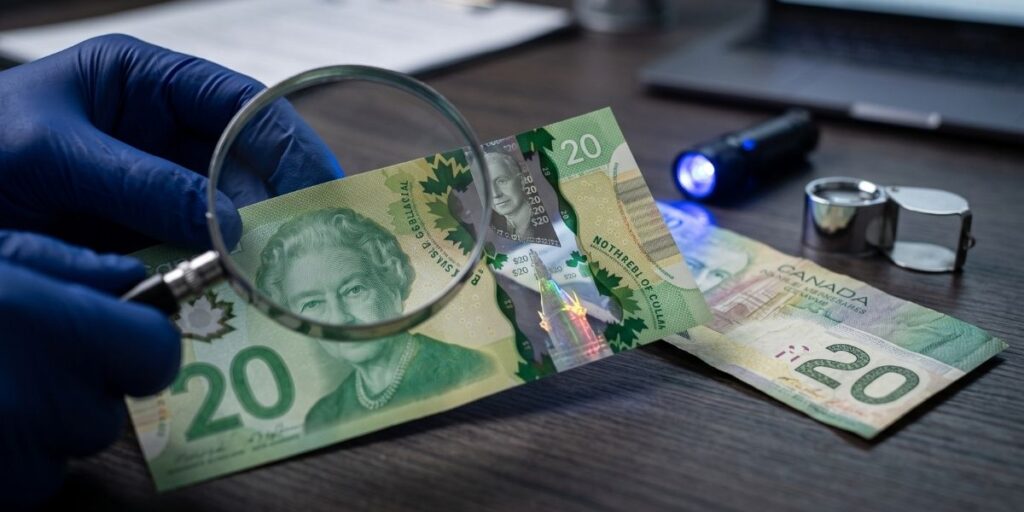
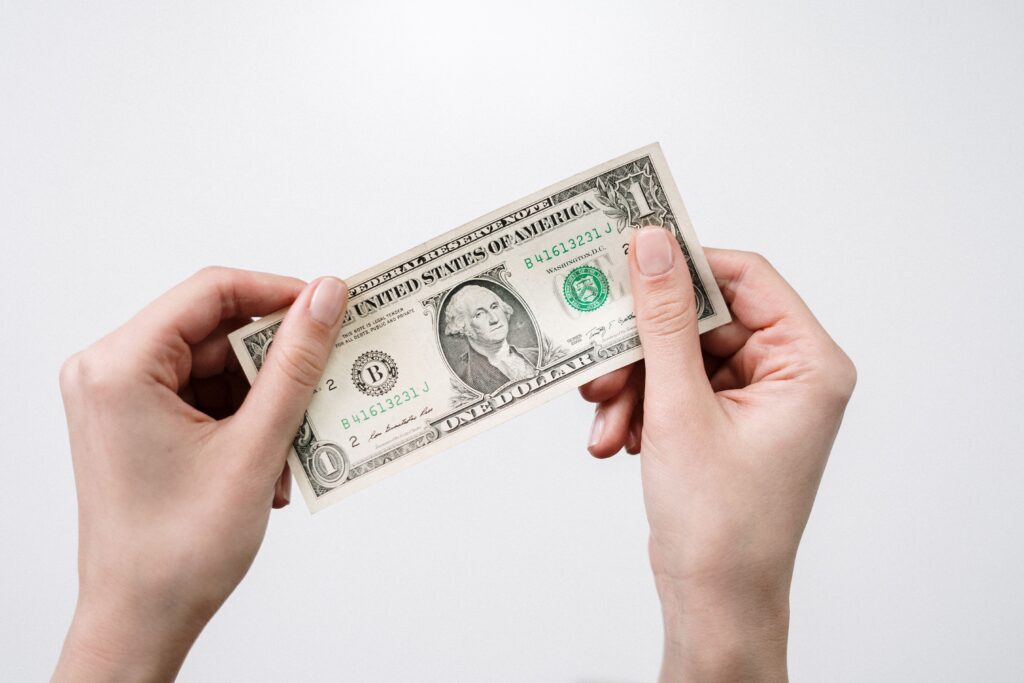
how to identify fake dollar Imagine receiving a dollar bill during a normal purchase, only to discover later that it is counterfeit. For individuals, businesses, and streetwear brands that handle cash transactions, counterfeit money can create unexpected financial losses and legal complications. Knowing how to identify fake dollar bills is an important skill that helps protect consumers, retailers, creators, and small business owners. While counterfeiters continue to develop new methods, modern U.S. currency includes multiple security features designed to help people verify authenticity. The good news is that you do not need specialized equipment to perform basic checks. By understanding security elements such as paper texture, printing quality, color-shifting features, watermarks, and security threads, you can quickly recognize warning signs of suspicious bills. This complete guide explains how to identify fake dollar notes, what features to examine, common mistakes people make, and the best practices for handling suspicious currency safely. How Do You Identify a Fake Dollar Bill? A fake dollar bill can often be identified by checking the paper quality, raised printing texture, security thread, watermark, color-changing ink, and overall print quality. Feel the texture of the bill — genuine currency uses a unique cotton-linen paper blend. Look for clear printing details and sharp images. Check security features based on the bill denomination. Compare suspicious notes with a verified authentic bill. Use official verification tools when needed. What Is a Fake Dollar Bill? A fake dollar bill, also known as counterfeit currency, is an unauthorized imitation of official U.S. currency created with the intention of being used as real money. The U.S. dollar contains several security technologies that help people distinguish authentic currency from counterfeit copies. These features include specialized paper, detailed printing techniques, embedded security elements, and design characteristics that are difficult to reproduce accurately. Counterfeit currency affects consumers, retailers, financial institutions, and governments because fake money can enter everyday transactions before being detected. Counterfeit Dollar vs Authentic Dollar: Basic Differences Feature Authentic Dollar Bill Counterfeit Dollar Bill Paper Texture Unique cotton-linen feel with distinct texture May feel smoother, thinner, or different Printing Quality Sharp and detailed printing Blurry lines or uneven details may appear Security Features Contains official security elements Features may be missing or poorly reproduced Color Accuracy Consistent official colors Colors may appear incorrect or faded Serial Numbers Clear and properly aligned May look uneven or inconsistent Why Counterfeit Dollars Are Created Counterfeit money is created by criminals attempting to pass fake currency as legitimate payment. These activities harm businesses and individuals who unknowingly accept fraudulent bills. Common reasons counterfeit currency becomes a problem include: Fraudulent financial transactions Attempts to deceive retailers Illegal money schemes Criminal attempts to avoid financial losses Important Security Features of U.S. Dollar Bills Modern U.S. currency includes several authentication features. Learning these features is one of the most effective ways to understand how to identify fake dollar bills. 1. Paper Quality and Texture Authentic U.S. currency is made from a specialized paper blend containing cotton and linen fibers. It has a unique texture that differs from ordinary printer paper. When checking a suspicious bill: Feel the surface carefully. Notice whether the paper feels unusually smooth or thin. Compare it with a verified genuine note. 2. Raised Printing One important feature of genuine U.S. currency is raised printing. The ink creates a slightly textured feeling in certain areas of the bill. Running your fingers gently over the portrait area and printed sections can help identify differences between authentic and suspicious notes. 3. Watermark Verification Many U.S. dollar denominations include watermarks that become visible when the bill is held toward light. The watermark should match the portrait on the bill. It should appear naturally within the paper. Printed images that imitate watermarks may appear flat. 4. Security Thread Certain denominations contain an embedded security thread inside the currency paper. When checking authenticity: Hold the bill toward a light source. Look for the embedded strip. Verify that it appears in the correct position for that denomination. 5. Color-Shifting Ink Some U.S. currency uses specialized ink that changes appearance when viewed from different angles. A missing or poorly reproduced color-changing effect can be a warning sign that a bill may not be authentic.  How to Identify Fake Dollar Bills Understanding how to identify fake dollar bills becomes easier when you follow a consistent checking process. Whether you are a consumer, business owner, clothing brand operator, or someone handling cash payments, these simple steps can help you recognize suspicious currency. The best approach is to use multiple authentication methods instead of relying on only one feature. Counterfeit bills may attempt to copy one security element, but reproducing every official feature accurately is much more difficult. Feel the Dollar Bill The first step is the simplest: use your sense of touch. Authentic U.S. currency has a distinctive texture because of its specialized paper composition and printing process. Genuine bills often feel slightly rough and durable compared to regular paper. What to check: Does the paper feel unusual, extremely smooth, or too thin? Does the bill feel similar to other genuine dollars? Are printed areas slightly raised? A suspicious texture does not always confirm a counterfeit bill, but it is an important warning sign that requires further inspection. Check the Printing Quality Official currency uses advanced printing technology that creates extremely detailed designs. Counterfeit notes often show problems with clarity and precision. Look for: Blurry lines Uneven borders Missing small details Smudged ink Poor-quality portraits Pay close attention to fine details around portraits, numbers, and decorative patterns. Low-quality printing is one of the most common signs of counterfeit money.  Examine the Portrait The portrait on a genuine dollar bill should appear clear, detailed, and balanced. Counterfeit versions may have a flat or unnatural appearance. Authentic Portrait Suspicious Portrait Sharp facial details Blurry or unclear features Natural shading Uneven or dark printing Detailed engraving style Flat printed appearance Look at Serial Numbers Every genuine U.S. dollar bill contains serial numbers printed in a consistent format. When checking

Counterfeit Money

How to Detect Counterfeit Cash: A Complete Guide to Recognizing Suspicious Currency Safely

Counterfeit cash is currency made to imitate genuine money with the intent to deceive people into accepting it as authentic. Counterfeiting affects individuals, retailers, financial institutions, and the broader economy by creating financial losses and reducing trust in cash transactions. Modern banknotes include multiple security features that make them difficult to duplicate accurately. Understanding these features helps consumers and businesses identify suspicious currency without relying on a single indicator. Why Detecting Counterfeit Money Matters Recognizing suspicious currency is important for everyone—not just banks. Small businesses, restaurants, retail stores, event organizers, freelancers, and everyday consumers can all encounter counterfeit bills during routine transactions. Potential consequences include: Financial loss if counterfeit money cannot be recovered. Business disruptions during investigations. Reduced customer confidence. Additional time spent verifying transactions. Possible legal obligations to report suspicious currency. Learning the security features of legitimate banknotes can help reduce the risk of accepting counterfeit cash while keeping everyday transactions smooth and secure. Common Security Features on Genuine U.S. Currency Modern U.S. banknotes incorporate multiple security features. Rather than relying on just one, examine several features together when evaluating a bill. Examples of Security Features Security thread visible when held to light. Watermark visible from both sides. Color-shifting ink on certain denominations. Raised printing that can often be felt. Sharp, high-quality printing. Microprinting designed for magnification. Distinct serial numbers and seals. Feature Purpose Watermark Helps verify authenticity. Security Thread Embedded feature visible under transmitted light. Color-Shifting Ink Changes appearance when the viewing angle changes. Raised Printing Produces a distinct tactile feel. Microprinting Fine text difficult to reproduce accurately. Common Warning Signs of Suspicious Bills While no single sign proves a bill is counterfeit, multiple irregularities may indicate that it should be examined more carefully. Possible warning signs include: Blurry or poorly aligned printing. Missing or inconsistent security features. Paper texture that differs noticeably from genuine currency. Ink colors that appear unusually dull or inconsistent. Serial numbers that look irregular or mismatched. Design elements that appear distorted. Visible smudging or poor print quality. Because genuine currency can also become worn over time, avoid making assumptions based on a single characteristic. What Should You Do If You Receive a Suspicious Bill? Stay Calm If you suspect a bill may not be genuine, avoid confrontation. Mistakes can happen, and the person presenting the bill may not know it is suspicious. Do Not Attempt to Spend It If you believe a bill may be counterfeit, do not try to pass it to someone else. Instead, follow the guidance provided by your financial institution or the appropriate authorities. Compare Carefully If possible, compare the bill with another genuine note of the same denomination to look for differences in security features and print quality. Follow Official Guidance Banks and the appropriate government authorities can advise you on the correct procedures for handling suspected counterfeit currency in your jurisdiction. How to Detect Counterfeit Cash: A Step-by-Step Safety Guide Understanding how to identify suspicious currency does not require special equipment or professional training. For most people and businesses, the goal is not to become an investigator but to recognize unusual signs and make informed decisions. The best approach is using a combination of observation methods. Authentic currency is designed with several security elements working together, meaning a suspicious note often shows more than one inconsistency. 1. Use the Feel, Look, and Light Method One of the easiest ways to check a banknote is by using three basic methods: feel, look, and light. These simple checks help consumers quickly identify whether a bill appears unusual. Feel the Currency Authentic banknotes are produced using specialized materials and printing processes that create a unique texture. A genuine note usually feels different from ordinary paper. When handling cash, pay attention to: The overall texture of the paper. The quality of the printing. Raised areas created through specialized printing techniques. Whether the note feels unusually smooth or different from other bills. Look Carefully at the Details High-quality currency contains extremely detailed artwork and printing. When examining a suspicious bill, look closely at the overall appearance. Are images sharp and clear? Do borders and designs appear properly aligned? Are numbers and letters consistent? Does the bill look faded, blurry, or unusually printed? Check Under Light Many modern banknotes include features that become visible when held toward a light source. These elements are designed to help people verify authenticity. Common examples include: Embedded security elements. Watermarks. Special design details that appear through transmitted light. 2. Understand Currency Security Features Governments use multiple security technologies to protect official currency. These features are designed to make genuine notes easier to recognize while making unauthorized copies more difficult. Watermarks A watermark is a design element incorporated into certain banknotes. It is generally visible when the note is held toward light. Important points: Watermarks are part of the paper itself, not simply printed on the surface. The appearance should match the official currency design. A missing or poorly reproduced watermark may indicate a suspicious note. Security Threads Many currencies include embedded security threads or strips. These features are placed inside the banknote material and may be visible under certain viewing conditions. Security threads help distinguish authentic currency from ordinary printed paper because they are integrated into the manufacturing process. Color-Changing Features Some banknotes include special inks that can appear different when viewed from different angles. These visual changes are difficult to reproduce accurately using basic printing methods and are one reason official currency uses advanced production techniques. Microprinting Microprinting involves extremely small text or details incorporated into currency designs. Because these details require specialized printing quality, they may appear unclear or missing on suspicious notes. 3. Common Mistakes People Make When Checking Cash Many people only check one feature when deciding whether money is genuine. This can create problems because currency should be evaluated as a complete design. 1: Checking Only the Color A bill’s color can change because of lighting, age, or wear. Color alone is not a reliable way to determine authenticity. 2: Assuming

what is skimming a credit card
cloned cards

What Is Skimming a Credit Card? A Complete Guide to Protecting Yourself from Payment Card Fraud

Credit and debit cards have made shopping faster, safer, and more convenient than carrying cash. Whether you’re buying coffee, paying for gas, shopping online, or purchasing custom apparel from your favorite streetwear brand, electronic payments have become part of everyday life.Unfortunately, criminals are constantly looking for new ways to steal financial information. One of the most common methods is credit card skimming. Many people don’t realize their card information has been stolen until fraudulent charges begin appearing on their account.If you’ve ever wondered what is skimming a credit card, how it works, or how to protect yourself, this guide covers everything you need to know. You’ll learn how skimming devices operate, where they’re commonly found, warning signs to watch for, and practical steps to reduce your risk. What Is Skimming a Credit Card? Credit card skimming is a type of financial fraud in which criminals secretly install a device on a legitimate card reader to capture payment card information during a normal transaction. When a customer inserts or swipes their credit or debit card, the hidden skimming device copies the data stored on the card’s magnetic stripe. Criminals may later use this stolen information to create counterfeit cards or attempt unauthorized purchases. Although modern payment systems increasingly rely on EMV chip technology and contactless payments, skimming remains a concern because many locations still accept magnetic stripe transactions. How Does Credit Card Skimming Work? Understanding the skimming process can help you recognize potential risks before becoming a victim. Step 1: A Skimming Device Is Installed A criminal secretly attaches a fake card reader over a legitimate payment terminal. These devices are designed to blend in with the original equipment, making them difficult to notice. Step 2: The Card Is Used Normally Customers insert or swipe their cards just as they normally would. The transaction often completes successfully, giving no indication that anything unusual has happened. Step 3: Card Data Is Copied As the card passes through the compromised reader, the skimming device records the magnetic stripe information. Step 4: PIN Theft (Sometimes) If the transaction requires a PIN, criminals may use a hidden camera or an unauthorized keypad overlay to capture the numbers entered by the customer. Step 5: Fraudulent Activity The stolen information may later be used to attempt unauthorized purchases or other forms of payment fraud. What Information Can Be Stolen? Depending on the attack, criminals may obtain several pieces of payment information, including: Card number Cardholder name (when available) Expiration date Magnetic stripe data PIN (if captured separately) It’s important to note that a skimming device generally does not capture your online banking password or account login credentials. However, the stolen card information alone may be enough for fraudulent transactions. Featured Snippet: What Is Credit Card Skimming? Question Answer What is credit card skimming? Credit card skimming is a form of payment fraud where criminals secretly install a device on a legitimate card reader to copy payment card information during a normal transaction. Where does it happen? ATMs, gas stations, retail payment terminals, vending machines, parking kiosks, and self-service checkout systems. Can chip cards be skimmed? EMV chip cards offer stronger protection than magnetic stripe cards, but criminals may still target magnetic stripe transactions where supported. Why Credit Card Skimming Continues to Be a Problem Despite significant advances in payment security, skimming remains a challenge because many payment terminals continue to support older magnetic stripe technology. Criminals often target unattended payment locations, where equipment may not be inspected frequently. Fuel pumps, outdoor ATMs, parking payment machines, and self-service kiosks can be especially attractive targets due to their accessibility and limited supervision. Another reason skimming persists is that modern skimming devices have become increasingly compact and difficult to detect. Some are designed to fit precisely over legitimate card readers, while others are installed inside payment terminals, making visual inspection much more challenging. Consumers can significantly reduce their risk by remaining alert, inspecting payment terminals before use, choosing contactless payment methods when available, and regularly reviewing bank account activity for unauthorized transactions. Where Does Credit Card Skimming Usually Happen? Credit card skimming can occur almost anywhere a magnetic stripe card is accepted, but criminals usually target locations where payment terminals are unattended or receive limited supervision. These environments allow skimming devices to remain installed for longer periods before being detected. Knowing the most common skimming locations can help you stay alert and make safer payment decisions. 1. ATMs Automated Teller Machines remain one of the most common targets for skimming attacks. Criminals may install fake card readers over the existing slot while placing a tiny hidden camera nearby to record PIN entries. Some sophisticated attacks even use keypad overlays that capture PIN numbers directly. Before using an ATM, inspect the machine carefully. If the card slot appears loose, bulky, misaligned, or different from nearby ATMs owned by the same bank, avoid using it and report it immediately. 2. Gas Station Pumps Self-service fuel pumps are another frequent target because many are located outdoors and may not be checked regularly. Criminals sometimes gain access to the pump cabinet, install internal skimming devices, and lock the cabinet again without attracting attention. Whenever possible, pay inside the station instead of directly at the pump, especially if the payment terminal appears damaged or unusual. 3. Retail Payment Terminals Although less common than ATM or gas pump skimming, criminals occasionally tamper with payment terminals in convenience stores, restaurants, or small retail businesses. Portable payment terminals handed to customers should always appear secure and untampered with. If a cashier unexpectedly removes your card from view, politely ask to complete the transaction where you can observe the payment process. 4. Parking Meters and Ticket Machines Parking kiosks, ticket vending machines, and public transportation payment terminals often operate without constant supervision, making them attractive targets for criminals attempting to install skimming devices. 5. Vending Machines and Self-Service Kiosks Modern vending machines and self-checkout stations increasingly accept credit and debit cards. Although many use secure payment technology, older

cloned cards

how to clone sd card

Can a Cloned Card Be Used at an ATM? (2026 Guide to Card Cloning Risks & Prevention) Imagine walking up to an ATM, inserting your card, and seeing a balance that doesn’t make sense—your money is gone. No warning, no obvious mistake. This is the kind of situation that makes people ask: can a cloned card be used at an ATM? Card cloning is a real and growing concern in today’s digital and cash-based economy. It happens when criminals copy your card details and use them to create a duplicate card. But does that mean they can simply walk up to an ATM and withdraw your money? In this guide, you’ll get a clear, honest answer to that question. More importantly, you’ll learn how card cloning works, when it actually succeeds, and how you can protect yourself with simple, practical steps. What Is a Cloned Card? (Simple Explanation) A cloned card is basically a copy of your original debit or credit card. Fraudsters steal your card information—like the card number and magnetic stripe data—and transfer it onto another card. That duplicate can then be used in certain situations as if it were yours. There are several ways criminals get this data: Skimming devices attached to ATMs or card machines Phishing scams that trick you into revealing details Data breaches from hacked systems It’s important to understand that a cloned card is not the same as a stolen physical card. If someone steals your actual card, they already have everything they need. But with cloning, they create a new card using copied data—often without you realizing it immediately. Can a Cloned Card Be Used at an ATM?  The short answer is: yes, a cloned card can sometimes be used at an ATM—but only under certain conditions. When It Can Work Cloned cards are more likely to work in environments where security is weaker or outdated. For example: Magnetic stripe cards: Older cards store data in a way that can be copied more easily. If an ATM still relies on this technology, a cloned card may be accepted. Regions with lower security standards: Some ATMs may not have advanced fraud detection systems, making them easier targets. In these cases, if the criminal also knows your PIN, they might successfully withdraw cash. When It Usually Fails The good news is that modern banking systems have made cloning much harder to exploit. EMV chip-enabled cards: These chips generate unique transaction codes, making duplication nearly impossible to use at ATMs. PIN protection and bank monitoring: Banks use real-time fraud detection. Unusual activity—like withdrawals from a different location—can trigger alerts or block transactions instantly. So while the risk still exists, the chances of success for criminals are much lower than they used to be. Human Takeaway (Reassurance You Can Trust) It’s natural to feel uneasy thinking about card cloning, but here’s the reality: banking security has improved significantly. Most modern ATMs and cards are designed to stop exactly this type of fraud. That said, no system is perfect. Staying aware and taking a few simple precautions can make a huge difference. Think of it this way—fraudsters look for easy targets. When you stay alert, you make yourself a much harder one. How Criminals Use Cloned Cards at ATMs Understanding how cloned card fraud works can help you stay one step ahead—without needing any technical knowledge. Step 1: Data Theft Criminals first capture your card details, usually through devices called skimmers. These are secretly attached to ATMs or card machines and copy the information stored on your card’s magnetic stripe when you insert it. Step 2: Encoding the Data Once the data is stolen, it’s transferred onto a blank card. This process essentially creates a duplicate that behaves like your original card—at least on older systems that still rely on magnetic stripe verification. Step 3: Attempting Withdrawals The cloned card is then used at ATMs to withdraw cash. Fraudsters often act quickly, sometimes making multiple withdrawals before the victim even realizes something is wrong. While tools like skimmers and hidden cameras are commonly used in these schemes, you don’t need to understand the technical details—just knowing they exist can help you stay alert and cautious. Warning Signs Your Card May Be Cloned Card cloning can happen silently, but there are several red flags you should never ignore: Unexpected ATM Withdrawals If you notice withdrawals you didn’t make, especially from locations you haven’t visited, it’s a major warning sign. Small “Test” Transactions Fraudsters often start with small purchases or withdrawals to check if the card works before making larger transactions. Bank Alerts or Declined Transactions Receiving alerts for unusual activity or having your card suddenly declined can indicate suspicious usage. Strange ATM Behavior Be cautious if an ATM looks tampered with—loose card slots, unusual attachments, or hidden cameras nearby could mean it’s compromised. The sooner you recognize these signs, the faster you can act to protect your account. How to Protect Yourself from ATM Card Cloning Prevention is your best defense. Here are practical steps you can take to reduce your risk: Use ATMs in Safe Locations Stick to machines inside banks or well-lit, secure areas. Avoid isolated ATMs, especially at night. Cover the Keypad While Entering Your PIN This simple habit can prevent hidden cameras or onlookers from capturing your PIN. Enable Transaction Alerts Most banks offer real-time SMS or app notifications. These alerts help you detect unauthorized activity instantly. Check Your Bank Statements Regularly Don’t wait for problems to escalate. Reviewing your transactions frequently helps you spot anything unusual early. Choose Chip-Based Cards EMV chip cards are more secure than traditional magnetic stripe cards and are harder to clone. Use Contactless or Mobile Payments Whenever possible, opt for tap-to-pay or mobile wallets. These methods add extra layers of security and reduce direct card exposure. Card cloning is still a real threat in 2026, but the good news is that awareness and simple habits can make a huge difference. By understanding how fraud happens, recognizing early

Counterfeit Money

Best Place to Buy Iraqi Dinar Online: What to Look for Before You Exchange

  Choosing a Trusted Source for Iraqi Dinar Purchases If you are researching the best place to buy Iraqi Dinar online, choosing a reputable and transparent currency provider should be your top priority. Whether you are exchanging money for travel, international business, or collecting foreign currency, selecting a reliable service helps protect your funds and improve your overall experience. With many online platforms offering foreign exchange services, understanding what separates a trusted provider from an unreliable one can help you make informed decisions. Why Buying Iraqi Dinar Online Requires Careful Research Online currency exchange can offer convenience, competitive pricing and fast access to foreign currencies. However, not every provider operates to the same standards. Before completing any transaction, take time to compare services and review important details such as exchange rates, fees and verification processes. Look for providers that offer: A reputable provider should make these details easy to access. Key Features of a Reliable Iraqi Dinar Exchange Provider Transparent Exchange Rates Compare the quoted USD to IQD exchange rate and understand whether additional service fees apply. Secure Transactions Choose platforms that use secure payment methods and clearly explain how transactions are processed. Verified Reputation Independent reviews and public business information can provide insight into service quality and reliability. Customer Support Responsive support can be especially helpful when dealing with currency exchange questions or transaction updates. Questions to Ask Before Buying Iraqi Dinar Online Before selecting a provider, consider asking: Taking time to review these details can help reduce risk and improve confidence. Make Informed Currency Exchange Decisions Finding the best place to buy Iraqi Dinar online is not simply about locating the lowest advertised rate. Security, transparency and provider credibility all play an important role. Always verify exchange information, compare providers carefully and choose established services that clearly explain their processes before making a financial transaction.

Counterfeit Money

How Much Is $100 US in Haitian Dollar? Complete USD to HTG Currency Guide

If you are searching “how much is $100 US in Haitian dollar”, you are actually referring to the Haitian Gourde (HTG), which is the official currency of Haiti. Understanding the USD to HTG exchange rate is important for travelers, online shoppers, remittance senders, freelancers, and anyone dealing with international payments. In this detailed guide, we break down the current estimated conversion of 100 US dollars into Haitian Gourdes, how exchange rates work, and what factors influence currency value changes. What Is the Currency of Haiti? Before converting, it’s important to clarify terminology: So when you ask USD to Haitian dollar, you are actually asking for USD to HTG conversion. How Much Is $100 US in Haitian Gourdes? Exchange rates fluctuate daily depending on global markets, inflation, and local economic conditions. However, a commonly observed recent range is: 1 USD ≈ 130 to 140 HTG (approximate range) So: $100 US ≈ 13,000 to 14,000 Haitian Gourdes (HTG) This means if you exchange 100 US dollars, you will likely receive around thirteen thousand Haitian Gourdes, depending on where and how you exchange your money. Why the USD to HTG Rate Changes The Haitian Gourde exchange rate is not fixed, meaning it changes frequently. Several factors influence the value: 1. Economic Stability Haiti’s economy can experience fluctuations due to inflation, imports, and market demand, which affects currency strength. 2. Bank vs Black Market Rates Different exchange channels offer different rates: 3. Inflation Impact Higher inflation in Haiti can reduce the purchasing power of the gourde, making USD more valuable in comparison. 4. Global USD Strength When the US dollar strengthens globally, it increases its value against many local currencies, including HTG. What Can $100 Buy in Haiti? Understanding $100 USD in Haitian Gourdes also means understanding purchasing power. With approximately 13,000 HTG, you may be able to cover: The cost of living varies significantly between urban areas like Port-au-Prince and rural regions. Best Ways to Check Live USD to HTG Rates Because currency values change constantly, it is always recommended to check live rates before exchanging money. Reliable sources include: Always confirm the real-time USD to HTG exchange rate before making transactions to avoid losses. Tips for Getting the Best Exchange Rate If you are converting USD to Haitian Gourdes, keep these tips in mind: ✔ Compare multiple sources Check banks, exchange offices, and digital platforms. ✔ Avoid unverified exchangers Informal markets may offer inconsistent or risky rates. ✔ Send larger amounts strategically Transfer fees may be lower as a percentage for higher amounts. ✔ Track rate trends Rates can shift weekly depending on economic conditions. USD to HTG in Digital & Online Payments Many freelancers, online businesses, and international shoppers deal with USD payments. When converting to Haitian Gourdes: Understanding these details helps avoid unexpected deductions Final Thoughts So, how much is $100 US in Haitian dollar? The correct answer is approximately 13,000 to 14,000 Haitian Gourdes (HTG) depending on the current exchange rate. Because the USD to HTG rate changes frequently, always verify live currency data before exchanging or sending money internationally.

Uncategorized

Anti Iron Chemicals – Advanced Water Treatment Solutions for Iron Removal

Pure Water Starts with Effective Iron Control Excess iron in water can create serious operational and quality challenges across industrial, commercial, and municipal applications. From reddish stains and unpleasant metallic taste to clogged pipelines and reduced equipment efficiency, iron contamination impacts performance and increases maintenance costs. Our Anti Iron Chemicals are specially formulated to provide a reliable, efficient, and cost-effective solution for controlling and removing dissolved and suspended iron from water systems. Designed for high-performance treatment, these advanced formulations help maintain cleaner water, protect infrastructure, and improve overall process efficiency. What Are Anti Iron Chemicals? Anti Iron Chemicals are specialized water treatment compounds developed to reduce iron concentration and prevent iron-related issues in water treatment systems. These chemicals work by converting dissolved iron into removable forms, minimizing deposits, preventing scaling, and supporting cleaner water output. Suitable for diverse industries, Anti Iron Chemicals help optimize water quality while extending the operational life of filtration units, pipelines, cooling systems, and processing equipment. Key Features and Benefits Superior Iron Removal Performance Our Anti Iron Chemicals are engineered to efficiently target dissolved iron and convert it into forms that can be separated through filtration or treatment processes. This helps deliver improved water clarity and consistent water quality. Prevents Staining and Deposits Iron-rich water often causes unsightly staining on surfaces and creates deposits inside pipelines and machinery. Regular use helps minimize buildup and maintain cleaner systems. Protects Equipment and Infrastructure By reducing iron accumulation, these chemicals support smoother operation and help lower maintenance frequency, reducing long-term operational costs. Improves Water Treatment Efficiency Optimized iron control contributes to better performance of filtration systems, membranes, and downstream treatment processes. Suitable for Multiple Applications These versatile chemicals can be integrated into a wide range of industrial and commercial water treatment programs. Applications of Anti Iron Chemicals Our Anti Iron Chemicals are widely used across industries where iron contamination affects water quality and system performance: Whether managing groundwater with elevated iron levels or maintaining industrial process water, Anti Iron Chemicals provide dependable treatment results. How Anti Iron Chemicals Work The treatment process begins by interacting with dissolved iron present in water. The chemical formulation promotes oxidation, stabilization, or precipitation of iron compounds depending on the treatment requirement. Once transformed, iron particles become easier to remove through sedimentation, filtration, or additional purification stages. This targeted action reduces discoloration, prevents blockages, and improves overall water treatment efficiency. Why Choose Our Anti Iron Chemicals? Selecting the right iron removal solution is essential for achieving consistent water quality and reducing operational challenges. Our Anti Iron Chemicals are developed to deliver: With a focus on performance and water quality improvement, these solutions help industries maintain cleaner, safer, and more efficient water systems. Optimize Your Water Treatment Process Today If iron contamination is affecting your operations, our Anti Iron Chemicals offer a practical and efficient solution for restoring water quality and protecting critical equipment. Improve operational efficiency, reduce downtime, and support long-term system performance with advanced iron treatment technology designed for modern water treatment needs. Choose reliable Anti Iron Chemicals for iron removal, water purification, iron control, industrial water treatment, groundwater treatment, and cleaner system performance.

Uncategorized

Most Realistic Prop Money 20s: How Premium Replica Bills Elevate Film, Photography & Creative Productions

When authenticity matters on camera, details make the difference. That’s why creators, filmmakers, photographers, and event planners increasingly look for realistic prop money 20s that deliver visual impact while remaining clearly designed for legal novelty and production use. Whether you’re producing a short film, creating social media content, staging a music video, setting up a theater performance, or designing a themed photoshoot, high-quality prop $20 bills can instantly add production value and realism to your scene. What Makes Prop Money 20s Look Realistic? The most effective realistic prop money is created with visual accuracy in mind while maintaining clear distinctions from genuine currency. Premium novelty bills are often designed to capture the overall appearance of authentic cash on camera without creating confusion in real-world transactions. Features creators often look for include: These details help achieve convincing visuals under studio lighting, photography setups, and cinematic close-ups. Why Film and Content Creators Choose Realistic Prop 20s Today’s content audiences notice details. Using generic placeholders or low-quality props can reduce immersion and make scenes feel less polished. Professional-looking movie prop money 20s can help enhance: Film & Video Production Create believable scenes involving cash exchanges, business settings, dramatic reveals, or cinematic storytelling. Photography Sessions Fashion shoots, promotional campaigns, editorial concepts, and creative portraits often benefit from realistic-looking currency props. Music Videos & Social Media Content Content creators use novelty cash stacks to create bold visual aesthetics while staying within platform and legal guidelines. Stage Performances & Events Theater productions and themed experiences use prop currency to support storytelling and audience immersion. How to Choose the Best Prop Money for Your Project Before purchasing, focus on quality and intended use. Consider: Selecting the right realistic prop bills helps create stronger visual results and smoother production workflows. Final Thoughts The best most realistic prop money 20s balances cinematic appearance with responsible design. For filmmakers, photographers, creators, and event professionals, quality prop currency can transform ordinary scenes into visually compelling moments. Choose clearly marked novelty bills intended for entertainment and production use—and let your creative vision take center stage.

Uncategorized

What Is the Meaning of Counterfeit Bank Notes?

Understanding Counterfeit Bank Notes and Why They Matter Counterfeit bank notes are fake currency notes that are illegally created to imitate genuine money issued by a country’s central bank or government. These fraudulent notes are designed to look authentic and circulate as real cash, often making it difficult for individuals and businesses to identify them at first glance. Counterfeit currency is a serious financial crime because it undermines trust in the monetary system, affects businesses, and can lead to economic losses for both consumers and governments. Whether you are a business owner, retailer, traveler, or everyday consumer, understanding the meaning of counterfeit bank notes is essential for protecting yourself and your finances. What Are Counterfeit Bank Notes? The term counterfeit bank notes refers to forged paper money produced without legal authorization. These fake notes attempt to copy the appearance, colors, security features, and printing style of legitimate currency. Unlike real money, counterfeit notes have no legal value. Once identified as fake, they cannot be exchanged for genuine currency. Counterfeiters often attempt to replicate: Modern banknotes include advanced security technologies, making large-scale counterfeiting increasingly difficult. How Counterfeit Currency Enters Circulation Counterfeit money can enter circulation through everyday transactions without people realizing it. Common situations include: Because counterfeit notes can sometimes appear convincing, individuals may unknowingly accept and pass them along How to Identify Counterfeit Bank Notes Learning how to identify fake currency is one of the best ways to reduce financial risk. Here are several common checks: Feel the Texture Authentic bank notes often have unique paper quality and raised printing. Look for Security Features Check for embedded security threads, watermarks, and transparent windows where applicable. Tilt the Note Many genuine currencies include holographic or color-changing elements. Compare with a Genuine Note Differences in size, print sharpness, color consistency, or spacing may indicate a counterfeit. Check Serial Numbers Repeated or poorly aligned serial numbers can be a warning sign. Using the simple feel, look, and tilt approach can help improve counterfeit detection. Read More: $100 prop money Why Counterfeit Bank Notes Are a Serious Issue Counterfeit money affects more than individual transactions. It can create wider economic and social consequences. Potential impacts include: Governments and financial institutions continuously invest in currency security, fraud prevention, and public awareness to combat counterfeit operations. What To Do If You Receive a Counterfeit Note If you suspect that a bank note may be counterfeit: Attempting to knowingly circulate counterfeit money may create legal consequences. Final Thoughts Understanding the meaning of counterfeit bank notes helps individuals and businesses stay informed and financially secure. Fake currency is designed to imitate real money, but awareness of security features and responsible cash handling can reduce risk significantly. The more familiar you become with identifying counterfeit currency, the better prepared you are to protect your money, support secure transactions, and maintain confidence in everyday financial exchanges.

Uncategorized

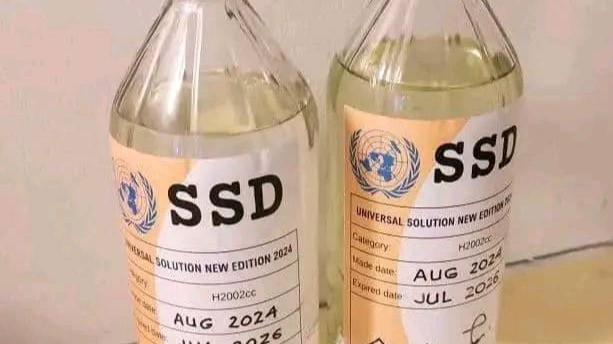
SSD Chemical Solution Uses: Understanding the Term, Applications, and Important Safety Considerations

The term SSD Chemical Solution is frequently searched online, often appearing in discussions related to industrial chemicals, laboratory processes, and currency restoration claims. However, there is significant confusion surrounding what SSD chemical solution is, how it is allegedly used, and whether the claims associated with it are legitimate. This guide explores the commonly referenced uses of SSD chemical solution, highlights important safety considerations, and helps readers separate facts from misinformation. What Is SSD Chemical Solution? SSD Chemical Solution is a term that has been widely circulated online, particularly in connection with the alleged cleaning or restoration of chemically treated materials. Various websites describe it as a specialized chemical formulation designed to remove coatings, stains, or contaminants from certain surfaces. However, it is important to note that many claims made online about SSD chemical solution are difficult to verify and are often associated with questionable schemes. As a result, individuals and businesses should exercise caution when evaluating products marketed under this name. Commonly Claimed Uses of SSD Chemical Solution Surface Cleaning and Restoration Some sources describe SSD chemical solution as a cleaning agent used for removing contaminants from specific materials. In industrial environments, specialized chemical cleaners are often employed to restore equipment, tools, and machinery affected by dirt, grease, or residue. Potential applications may include: The effectiveness of any chemical cleaning solution depends on its formulation, intended use, and compliance with safety standards. Laboratory and Research Applications In some discussions, SSD chemical solution is mentioned in relation to laboratory environments where chemical compounds are used for testing, cleaning, and material analysis. Laboratory-grade chemicals are commonly utilized for: Any chemical used in laboratory settings should be handled according to established safety protocols and regulatory guidelines. Industrial Chemical Processing Industrial facilities frequently rely on specialized chemical solutions for manufacturing, processing, and maintenance activities. Depending on composition, chemical solutions may support: Organizations typically select chemicals based on performance requirements, safety standards, and environmental regulations. Understanding Online Claims About Currency Cleaning One of the most widely circulated claims involving SSD chemical solution relates to the alleged restoration or cleaning of currency notes. Consumers should approach such claims with extreme caution. Many online advertisements promote so-called “SSD chemicals” as products capable of transforming coated paper into genuine currency. These claims are frequently associated with fraud schemes and scams targeting individuals seeking investment opportunities or financial gains.

EnglishenEnglishEnglish
Scroll to Top