
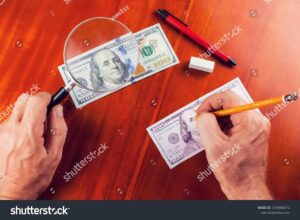
Counterfeit currency continues to be a challenge for retailers, small businesses, banks, and even everyday shoppers. Whether you’re accepting cash at a checkout counter, selling products at a local market, or receiving payment from a customer, knowing how to use counterfeit pen correctly can help you identify potentially suspicious banknotes before they enter circulation. While counterfeit detector pens are quick, affordable, and widely used, they should never be relied on as the only method of verification.
How to Use Counterfeit Pen: A Complete Guide to Detecting Fake Money
Modern banknotes include multiple security features such as watermarks, security threads, color-shifting ink, and raised printing that are much harder for counterfeiters to replicate. A detector pen is simply one screening tool among many. If a bill appears questionable, always examine several security features before deciding whether to accept it.
In this complete guide, you’ll learn how counterfeit detector pens work, how to use them correctly, what their limitations are, common mistakes to avoid, and why combining multiple authentication methods provides the most reliable protection against counterfeit money. Whether you’re a business owner, cashier, or simply curious about cash security, this guide will help you make more informed decisions when handling paper currency.
What Is a Counterfeit Pen?
A counterfeit pen is a simple handheld tool designed to help identify potentially fake paper currency. It works by applying a special iodine-based ink to a banknote. The ink reacts differently depending on the type of paper used. Since genuine U.S. currency is printed on a unique cotton-and-linen blend rather than standard wood-pulp paper, the mark left by the pen can provide a quick indication of whether a bill deserves closer inspection.
What Is a Counterfeit Marker?
A counterfeit marker is another name for a counterfeit detector pen. Both terms refer to the same type of tool used by cashiers, retailers, banks, restaurants, convenience stores, and anyone who regularly accepts cash payments.
These markers are popular because they are:
- Affordable and easy to carry.
- Fast to use, often taking only a few seconds.
- Simple enough for employees with minimal training.
- Useful as a first-line screening tool during busy transactions.
However, it’s important to understand that a counterfeit pen is only one layer of protection. Some sophisticated counterfeit bills may pass the pen test, while damaged or unusual genuine notes may produce unexpected results. For this reason, professionals recommend checking multiple security features before making a final decision.
How to Use a Counterfeit Pen Properly
If you’re wondering how to use a counterfeit pen, following the correct process will help you obtain the most reliable results.
Step 1: Inspect the Bill Visually
Before using the pen, take a few moments to examine the banknote. Look for obvious signs of damage, blurry printing, unusual colors, missing security features, or poor paper quality. Many counterfeit bills can be identified through a careful visual inspection alone.
Step 2: Draw a Small Mark in an Unused Area
Choose a light-colored, unprinted area of the bill whenever possible. Make a small line or dot with the counterfeit pen. Avoid making large marks that could unnecessarily deface the note.
Step 3: Wait a Few Seconds
Allow the ink to react with the paper. Most detector pens provide results almost immediately, but waiting a few seconds helps ensure the color has fully developed.
Step 4: Interpret the Color
Although color indications vary slightly by manufacturer, the general guidance is:
- Light amber or yellow: Usually indicates genuine currency paper.
- Dark brown or black: May indicate paper containing starch, suggesting the bill requires additional examination.
Remember that the pen result alone does not confirm authenticity or prove a bill is counterfeit.
Step 5: Verify Additional Security Features
After using the pen, inspect several built-in security features, including:
- Watermarks visible under light.
- Embedded security thread.
- Color-shifting ink on larger denominations.
- Raised printing that can be felt by touch.
- Sharp, high-quality printing and microprinting.
Using multiple verification methods greatly improves confidence in your assessment.
Best Practices
- Store the pen with its cap tightly closed.
- Replace dried-out or expired detector pens.
- Train employees on modern banknote security features.
- Use adequate lighting when examining cash.
- Combine the pen with UV lights or counterfeit detection machines for higher accuracy.
Common Mistakes
- Relying solely on the pen result.
- Testing only one area of a damaged bill.
- Ignoring visible security features.
- Using an old or dried-out marker.
- Assuming every dark mark automatically means a bill is counterfeit.
Safety Tips
- Handle suspicious currency carefully.
- Avoid writing excessive marks on banknotes.
- Follow your workplace procedures when questionable bills are received.
- If a note appears suspicious after multiple checks, avoid recirculating it and follow applicable local guidance.
How to Use a Counterfeit Pen for Money
Using a counterfeit pen for money is straightforward, but proper technique matters. Place a small mark on a light, unused section of the bill where the result can be seen clearly without covering important security features. After a few seconds, observe the color produced by the ink and compare it with the manufacturer’s instructions.
Keep in mind that counterfeiters continually improve their techniques. Some fake bills may be produced using genuine currency paper or altered genuine notes, meaning they could pass the pen test. Conversely, worn, stained, or contaminated genuine bills may occasionally produce misleading results.
For this reason, the most reliable approach combines several verification methods. Examine the watermark, security thread, color-shifting ink, paper texture, and raised printing in addition to using the detector pen. Extra verification is especially recommended when accepting large cash payments, handling high-denomination bills, processing unfamiliar currency, or when any feature appears unusual.
By treating the counterfeit pen as part of a broader verification process rather than a standalone solution, businesses and individuals can significantly reduce the risk of accepting counterfeit money while maintaining fast and efficient cash transactions.
Money Marker Pen: How It Works
A money marker pen, also known as a counterfeit detector pen, provides a fast way to screen paper currency for signs that it may not be genuine. While it isn’t foolproof, it can be a helpful first step in identifying suspicious bills before performing additional security checks.
The Iodine-Based Reaction
Most counterfeit detector pens contain an iodine-based solution. When the tip touches paper, the iodine reacts with starch. Standard office paper, copier paper, and many other wood-pulp papers contain starch, causing the mark to turn dark brown or black.
Authentic U.S. currency, however, is printed on a specialized blend of approximately 75% cotton and 25% linen. Because this paper contains little to no starch, the iodine does not produce the same reaction. Instead, the mark typically remains light amber or yellow.
Wood-Pulp Paper vs. Genuine Currency Paper
The difference in paper composition is what makes the detector pen effective. Counterfeiters often use commercially available paper designed for printers or copiers, which contains starch. Genuine currency paper is manufactured specifically for banknotes and has unique physical properties that are difficult to duplicate.
Even so, paper composition is only one security feature. Modern counterfeiters may attempt more advanced methods, including altering genuine banknotes, which is why professionals recommend checking several security features rather than relying on the pen alone.
The Science Made Simple
Think of the detector pen as a quick chemistry test. If iodine finds starch in the paper, the mark darkens. If little or no starch is present, the mark stays light. This simple reaction explains why the pen can quickly identify many suspicious notes, but it cannot verify every bill with complete certainty.
Understanding Counterfeit Marker Results
Knowing how to interpret the results is just as important as using the pen correctly.
Light Amber Mark
A light amber, yellow, or pale gold mark generally suggests the paper resembles genuine currency paper. This is a positive sign, but it should not be considered absolute proof that the bill is authentic.
Dark Brown or Black Mark
A dark brown or black mark indicates the presence of starch and suggests the note may have been printed on ordinary paper. Bills producing this result deserve additional inspection before being accepted.
False Positives
Occasionally, a genuine bill may produce an unexpected dark mark. Dirt, contamination, chemicals, or damage to the note can interfere with the iodine reaction and create misleading results.
False Negatives
Some sophisticated counterfeit bills may produce a light mark if they are made using altered genuine currency paper or other advanced techniques. This is why security experts recommend checking multiple features every time.
Environmental Factors
Humidity, excessive heat, moisture, old detector pens, and improper storage can all affect the performance of the pen. Keeping the marker capped tightly and replacing it when recommended helps maintain reliable results.
How Long Does a Counterfeit Pen Mark Last on a Bill?
One of the most common questions is whether the detector pen permanently marks currency.
Typical Fading Time
On genuine banknotes, the light amber mark usually fades over time. Depending on the pen, handling, and environmental conditions, it may become much less noticeable within several hours or days.
Ink Permanence
The mark is generally not designed to be permanent on authentic currency. However, darker marks on ordinary paper or counterfeit notes may remain visible for much longer because of the paper’s starch content.
Storage Conditions
Factors such as sunlight, humidity, temperature, and frequent handling influence how quickly the mark fades. Bills stored in dry, cool conditions may retain faint markings longer than those in regular circulation.
Does It Damage the Bill?
When used correctly, a counterfeit detector pen is not intended to damage genuine U.S. currency. A small test mark is considered a normal screening method in many businesses. However, avoid making excessive marks or covering important security features, as unnecessary writing can make banknotes harder to inspect.
Ultimately, the best practice is to treat the detector pen as one tool within a broader counterfeit detection process. Combining visual inspection with security features such as watermarks, security threads, color-shifting ink, and raised printing provides a much more dependable way to evaluate suspicious banknotes.
How to Use a Counterfeit Detector Pen Light
A counterfeit detector pen light adds another layer of protection when verifying paper currency. Unlike a standard counterfeit pen that checks the paper composition, a detector pen light typically uses ultraviolet (UV) illumination to reveal security features built into genuine banknotes. Using both tools together provides a more reliable screening process than relying on either method alone.
What Are Counterfeit Detector Pen Lights?
Counterfeit detector pen lights are compact UV lights designed to help cash handlers inspect banknotes quickly. They are commonly used by retailers, banks, hotels, restaurants, convenience stores, and businesses that process cash throughout the day.
Checking UV Security Features
Many modern banknotes contain UV-reactive security elements that become visible only under ultraviolet light. Depending on the denomination and series of the bill, these may include glowing security threads or other embedded features that are difficult for counterfeiters to duplicate accurately.
To use a detector light:
- Move to a dimly lit area if possible.
- Shine the UV light over the banknote.
- Look for the expected fluorescent security features.
- Compare what you see with the official security characteristics for that denomination.
When UV Inspection Helps
UV inspection is especially valuable when:
- Accepting high-denomination bills.
- Processing large cash transactions.
- Receiving worn or older banknotes.
- Handling cash from unfamiliar sources.
- A detector pen produces uncertain results.
Combine UV and Pen Testing
The most dependable approach is to combine multiple verification methods. First, inspect the bill visually. Next, use a counterfeit detector pen to screen the paper. Finally, verify the UV security features. This layered process significantly improves your ability to identify suspicious currency while reducing the risk of false results.
How to Use a Counterfeit Detector Machine
Businesses that handle large amounts of cash often upgrade from handheld pens to counterfeit detector machines. These devices examine several security features at once, making them faster and more reliable for high-volume environments.
UV Detection
Most counterfeit detector machines include powerful UV lighting that reveals fluorescent security threads and other hidden features found in genuine currency.
Magnetic Ink Detection
Some banknotes contain magnetic ink in specific printed areas. Machines equipped with magnetic sensors can verify whether these characteristics are present, providing another layer of authentication.
Infrared (IR) Scanning
Advanced counterfeit detection machines also use infrared technology. Genuine banknotes reflect and absorb infrared light in unique patterns that are difficult for counterfeiters to reproduce accurately.
Multi-Test Machines
Premium currency verification devices combine several technologies, including:
- UV inspection
- Magnetic ink detection
- Infrared scanning
- Optical image analysis
- Size and thickness measurement
Using multiple tests simultaneously provides greater confidence than relying on a single detection method.
Advantages Over Detector Pens
Compared with a counterfeit detector pen, a detection machine offers several benefits:
- Higher detection accuracy.
- Faster processing of multiple bills.
- Reduced human error.
- Verification using several security features at once.
- Better suited for banks, casinos, retail chains, and financial institutions.
Although detector machines are more expensive, they can be a worthwhile investment for businesses that regularly handle significant cash transactions.
Dri Mark Counterfeit Detector Pen
Among the best-known counterfeit detection products is the Dri Mark Counterfeit Detector Pen. It has been widely used by retailers and businesses for years because of its simplicity, affordability, and ease of use.
Brand Overview
Dri Mark is recognized for manufacturing counterfeit detection products designed for everyday cash handling. Its detector pens are commonly found in retail stores, restaurants, schools, and small businesses where quick bill screening is important.
Key Features
Typical Dri Mark detector pens offer:
- Fast iodine-based testing.
- Compact and portable design.
- Easy-to-read color indication.
- Simple operation with minimal training.
- Long-lasting ink under normal use.
Typical Applications
The pen is suitable for:
- Retail checkout counters.
- Grocery stores.
- Convenience stores.
- Farmers markets.
- Restaurants and cafés.
- Small business cash registers.
- Event ticket sales.
Advantages
Many users choose the Dri Mark pen because it is:
- Affordable.
- Lightweight and portable.
- Easy for new employees to learn.
- Quick to use during busy transactions.
- Effective as an initial screening tool.
Limitations
Like any counterfeit detector pen, the Dri Mark pen is not a guarantee of authenticity. Some sophisticated counterfeit bills may pass the test, while damaged or contaminated genuine notes can occasionally produce misleading results. It should always be used alongside visual inspection and official security feature checks.
Maintenance Tips
To keep your detector pen performing reliably:
- Always replace the cap tightly after use.
- Store the pen in a cool, dry location.
- Avoid prolonged exposure to direct sunlight or extreme heat.
- Replace the pen if the ink dries out or produces inconsistent results.
- Periodically train staff on current currency security features, as counterfeit detection depends on both the tool and the user’s knowledge.
Using a quality detector pen together with UV inspection, visual examination, and modern counterfeit detection equipment provides the strongest defense against accepting counterfeit currency while keeping cash transactions fast and efficient.
How to Use a Counterfeit Detector Pen Light
A counterfeit detector pen light adds another layer of protection when verifying paper currency. Unlike a standard counterfeit pen that checks the paper composition, a detector pen light typically uses ultraviolet (UV) illumination to reveal security features built into genuine banknotes. Using both tools together provides a more reliable screening process than relying on either method alone.
What Are Counterfeit Detector Pen Lights?
Counterfeit detector pen lights are compact UV lights designed to help cash handlers inspect banknotes quickly. They are commonly used by retailers, banks, hotels, restaurants, convenience stores, and businesses that process cash throughout the day.
Checking UV Security Features
Many modern banknotes contain UV-reactive security elements that become visible only under ultraviolet light. Depending on the denomination and series of the bill, these may include glowing security threads or other embedded features that are difficult for counterfeiters to duplicate accurately.
To use a detector light:
- Move to a dimly lit area if possible.
- Shine the UV light over the banknote.
- Look for the expected fluorescent security features.
- Compare what you see with the official security characteristics for that denomination.
When UV Inspection Helps
UV inspection is especially valuable when:
- Accepting high-denomination bills.
- Processing large cash transactions.
- Receiving worn or older banknotes.
- Handling cash from unfamiliar sources.
- A detector pen produces uncertain results.
Combine UV and Pen Testing
The most dependable approach is to combine multiple verification methods. First, inspect the bill visually. Next, use a counterfeit detector pen to screen the paper. Finally, verify the UV security features. This layered process significantly improves your ability to identify suspicious currency while reducing the risk of false results.
How to Use a Counterfeit Detector Machine
Businesses that handle large amounts of cash often upgrade from handheld pens to counterfeit detector machines. These devices examine several security features at once, making them faster and more reliable for high-volume environments.
UV Detection
Most counterfeit detector machines include powerful UV lighting that reveals fluorescent security threads and other hidden features found in genuine currency.
Magnetic Ink Detection
Some banknotes contain magnetic ink in specific printed areas. Machines equipped with magnetic sensors can verify whether these characteristics are present, providing another layer of authentication.
Infrared (IR) Scanning
Advanced counterfeit detection machines also use infrared technology. Genuine banknotes reflect and absorb infrared light in unique patterns that are difficult for counterfeiters to reproduce accurately.
Multi-Test Machines
Premium currency verification devices combine several technologies, including:
- UV inspection
- Magnetic ink detection
- Infrared scanning
- Optical image analysis
- Size and thickness measurement
Using multiple tests simultaneously provides greater confidence than relying on a single detection method.
Advantages Over Detector Pens
Compared with a counterfeit detector pen, a detection machine offers several benefits:
- Higher detection accuracy.
- Faster processing of multiple bills.
- Reduced human error.
- Verification using several security features at once.
- Better suited for banks, casinos, retail chains, and financial institutions.
Although detector machines are more expensive, they can be a worthwhile investment for businesses that regularly handle significant cash transactions.
Dri Mark Counterfeit Detector Pen
Among the best-known counterfeit detection products is the Dri Mark Counterfeit Detector Pen. It has been widely used by retailers and businesses for years because of its simplicity, affordability, and ease of use.
Brand Overview
Dri Mark is recognized for manufacturing counterfeit detection products designed for everyday cash handling. Its detector pens are commonly found in retail stores, restaurants, schools, and small businesses where quick bill screening is important.
Key Features
Typical Dri Mark detector pens offer:
- Fast iodine-based testing.
- Compact and portable design.
- Easy-to-read color indication.
- Simple operation with minimal training.
- Long-lasting ink under normal use.
Typical Applications
The pen is suitable for:
- Retail checkout counters.
- Grocery stores.
- Convenience stores.
- Farmers markets.
- Restaurants and cafés.
- Small business cash registers.
- Event ticket sales.
Advantages
Many users choose the Dri Mark pen because it is:
- Affordable.
- Lightweight and portable.
- Easy for new employees to learn.
- Quick to use during busy transactions.
- Effective as an initial screening tool.
Limitations
Like any counterfeit detector pen, the Dri Mark pen is not a guarantee of authenticity. Some sophisticated counterfeit bills may pass the test, while damaged or contaminated genuine notes can occasionally produce misleading results. It should always be used alongside visual inspection and official security feature checks.
Maintenance Tips
To keep your detector pen performing reliably:
- Always replace the cap tightly after use.
- Store the pen in a cool, dry location.
- Avoid prolonged exposure to direct sunlight or extreme heat.
- Replace the pen if the ink dries out or produces inconsistent results.
- Periodically train staff on current currency security features, as counterfeit detection depends on both the tool and the user’s knowledge.
Using a quality detector pen together with UV inspection, visual examination, and modern counterfeit detection equipment provides the strongest defense against accepting counterfeit currency while keeping cash transactions fast and efficient.
Is a counterfeit pen always accurate?
No, a counterfeit pen is not always 100% accurate. It is a helpful screening tool that checks the paper composition of a banknote, but it cannot verify every security feature. Some advanced counterfeit bills may pass the pen test, while some genuine bills may produce unusual results due to damage, contamination, or other factors. For better accuracy, combine a counterfeit pen with visual inspection and other security checks.
Can counterfeit pens detect every fake bill?
No. Counterfeit detector pens cannot detect every type of fake bill. They mainly identify whether the paper contains starch commonly found in regular printer paper. Sophisticated counterfeiters may use methods that allow fake notes to pass this test. Checking watermarks, security threads, color-shifting ink, and raised printing provides a more complete evaluation.
Do counterfeit pens damage money?
When used correctly, counterfeit pens generally do not damage genuine currency. They are designed to leave a small temporary mark for testing purposes. However, excessive marking or writing on banknotes should be avoided, as unnecessary marks may affect the appearance and handling of the bill.
Can old bills give incorrect results?
Yes, older or heavily circulated bills may sometimes produce inconsistent results. Dirt, stains, moisture, chemicals, or wear can affect how the ink reacts with the paper. If an old bill gives a questionable result, use additional verification methods before making a decision.
How often should I replace a counterfeit pen?
The replacement schedule depends on usage and storage conditions. Most counterfeit pens should be replaced when the ink becomes dry, the mark is difficult to read, or the results appear inconsistent. Keeping the pen capped and storing it properly can help extend its useful life.
Should businesses use a detector machine instead?
For businesses that handle large amounts of cash, a counterfeit detector machine may provide stronger protection. These machines can check multiple security features, including UV elements, magnetic ink, infrared patterns, and bill dimensions. Small businesses with limited cash transactions may find a counterfeit pen useful, while banks, supermarkets, and high-volume retailers often benefit from advanced detection equipment.
Counterfeit pens are affordable, convenient, and useful for quick cash screening, but they work best as part of a complete counterfeit detection strategy. Combining pen testing with security feature checks and proper employee training helps businesses and individuals make safer decisions when handling money.
Conclusion
Knowing how to use a counterfeit pen correctly can help individuals and businesses quickly screen suspicious banknotes and reduce the risk of accepting fake money. The proper process is simple: inspect the bill first, make a small test mark in an unused area, observe the color change, and compare the result with additional security features.
However, a counterfeit pen should be viewed as a quick screening tool, not a final authentication method. While it can identify many suspicious bills, no single detection method can guarantee complete accuracy.
For the most reliable results, always combine counterfeit pen testing with other verification methods, such as checking watermarks, security threads, color-shifting ink, and raised printing. If a bill still appears questionable, follow recommended procedures and seek guidance from financial institutions or local authorities when necessary. A careful, multi-step approach provides the best protection against counterfeit currency.

