
Credit card cloning fraud is a serious form of financial crime where criminals illegally copy your card information and use it to make unauthorised transactions. This type of payment fraud typically involves stealing card data from the magnetic stripe or chip and transferring it onto a duplicate card. Once cloned, fraudsters can use the fake card to withdraw cash, make purchases, or commit online payment fraud without the cardholder’s knowledge.
Understanding Credit Card Cloning Fraud
With the rapid growth of digital payments and contactless transactions, protecting your financial information has become more important than ever.
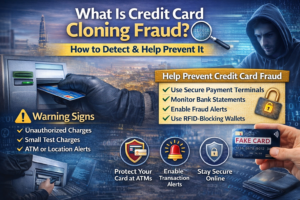
Credit card fraud can lead to financial loss, identity theft, and long-term damage to your credit profile. Understanding how cloning fraud works is the first step in protecting yourself and your business.
How Credit Card Cloning Fraud Happens
Criminals use various techniques to steal card information. One of the most common methods is “skimming,” where illegal devices are placed on ATMs, payment terminals, or fuel pumps to capture card details. These devices secretly record card numbers, expiration dates, and other sensitive information.
Other methods include:
- Data breaches from unsecured websites
- Phishing emails designed to steal card details
- Malware attacks targeting payment systems
- Fake payment terminals in shops or public places
Once the data is stolen, fraudsters create duplicate cards and use them for fraudulent transactions, often before the victim notices any suspicious activity.
Warning Signs Your Card May Have Been Cloned
Detecting credit card cloning early can help minimise financial damage. Here are some common warning signs:
- Unauthorised transactions on your bank statement
- Small unknown charges used to test your card
- ATM withdrawals you did not make
- Transaction alerts from unfamiliar locations
- Declined transactions despite sufficient funds
Monitoring your bank account regularly and enabling real-time transaction alerts can help you detect fraud quickly and take immediate action.
How to Help Prevent Credit Card Cloning Fraud
Preventing credit card fraud requires awareness and proactive security measures. You can significantly reduce your risk by following these best practices:
- Always use secure and trusted payment terminals
- Avoid sharing card details over email or phone
- Enable bank transaction alerts and fraud monitoring
- Use contactless payments with built-in encryption
- Regularly review your bank and credit card statements
- Protect your card with RFID-blocking wallets
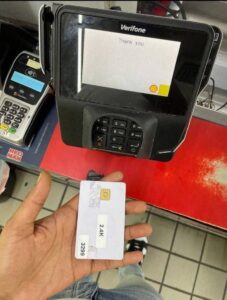
Financial institutions also use advanced fraud detection systems, encryption technology, and AI-powered monitoring to identify suspicious transactions and protect customers.
Why Fraud Prevention Matters for Your Financial Security
Credit card cloning fraud continues to evolve as criminals use more sophisticated technology. However, banks, payment providers, and consumers can work together to prevent fraud and protect financial data. Early detection and preventive measures are key to reducing financial risks and ensuring secure transactions.
By staying informed, monitoring your accounts, and using secure payment methods, you can protect yourself from credit card cloning fraud and enjoy safer, more secure financial transactions.
Take Action to Protect Your Financial Future
Your financial security depends on awareness and prevention. Stay vigilant, monitor your transactions regularly, and report suspicious activity immediately to your bank. With the right precautions and fraud prevention strategies, you can minimise risks and keep your money safe in today’s digital payment world.
Common Techniques Used by Credit Card Fraudsters
While payment technology has become more secure over the years, criminals continue to develop new methods to steal card information. Understanding these techniques can help you recognize potential threats and avoid becoming a victim.
One of the most common methods is card skimming. A skimming device is secretly attached to an ATM or payment terminal to capture information stored on the card’s magnetic stripe. In some cases, criminals also install tiny hidden cameras or fake keypads to record PIN numbers.
Another technique is phishing, where scammers send fake emails, text messages, or phone calls pretending to be your bank or a trusted company. Their goal is to trick you into revealing your card details, login credentials, or one-time verification codes.
Cybercriminals may also exploit data breaches. When businesses experience security incidents, stolen customer payment information can sometimes be sold or used for fraudulent purchases. This is why using unique passwords and enabling multi-factor authentication on your financial accounts is so important.
How Banks Detect Credit Card Fraud
Financial institutions invest heavily in fraud detection systems that monitor transactions around the clock. These systems use artificial intelligence and machine learning to identify unusual spending patterns.
For example, if your card is suddenly used in another country shortly after a purchase in your hometown, the bank may temporarily block the transaction or ask you to verify it. Other warning signs include unusually large purchases, multiple declined transactions, or spending that differs significantly from your normal habits.
Many banks also provide instant transaction notifications through their mobile apps. These alerts allow customers to identify unauthorized purchases quickly and report them before additional damage occurs.
Best Practices for Secure Card Usage
Practicing good payment security can significantly reduce the risk of fraud. Consider these habits:
- Use chip-enabled or contactless payments whenever possible.
- Avoid entering your card information on unfamiliar or unsecured websites.
- Shop only from trusted online retailers using secure HTTPS connections.
- Keep your banking apps and mobile devices updated with the latest security patches.
- Never share your PIN, CVV, or one-time verification codes with anyone.
- Review your account statements every week, not just at the end of the month.
- Report suspicious transactions immediately to your financial institution.
These simple precautions take only a few minutes but can save you from significant financial losses.
The Importance of Reporting Fraud Quickly
Time is critical when dealing with suspected credit card fraud. The sooner you report suspicious activity, the greater the chance your bank can stop unauthorized transactions and protect your account.
Most financial institutions have dedicated fraud departments available 24 hours a day. They can freeze your card, investigate unusual activity, and issue a replacement card if necessary. Prompt reporting also helps prevent criminals from making additional purchases using stolen card information.
Final Security Reminder
Credit card cloning fraud continues to evolve as criminals search for new ways to exploit payment systems. Fortunately, consumers are not powerless. Staying informed, recognizing common scams, using secure payment methods, and monitoring your accounts regularly are among the most effective ways to reduce your risk.
Good cybersecurity habits, combined with your bank’s fraud protection tools, create a strong defense against payment card fraud. Awareness remains your first and best line of protection.
What Is Credit Card Cloning Fraud?
Credit card cloning fraud is a type of financial crime in which criminals illegally copy the information stored on a payment card and use that stolen data to create an unauthorized duplicate or make fraudulent transactions. Victims often don’t realize their card details have been compromised until they notice unfamiliar charges on their bank statement or receive a fraud alert from their financial institution.
Fraudsters may obtain card information through methods such as compromised payment terminals, phishing scams, malware, or data breaches. Although modern EMV chip cards provide stronger security than traditional magnetic stripe cards, criminals continue to adapt their techniques to target cardholders in different ways.
Credit card cloning can lead to unauthorized purchases, financial losses, identity theft, and the inconvenience of replacing payment cards and disputing fraudulent transactions. Fortunately, banks and payment providers use advanced fraud detection systems to identify suspicious activity and help protect customers.
The best defense against credit card cloning fraud is staying informed, regularly monitoring your account activity, using secure payment methods, and reporting any suspicious transactions to your bank immediately. By practicing good financial security habits, you can significantly reduce your risk of becoming a victim.
Conclusion
Credit card cloning fraud remains a growing threat, but understanding how it works is the first step toward protecting yourself. By recognizing common warning signs, regularly monitoring your account activity, and using secure payment methods, you can significantly reduce the risk of becoming a victim. If you ever notice suspicious transactions or believe your card information has been compromised, contact your bank immediately and report the issue without delay. Staying informed and practicing good financial security habits are the most effective ways to help prevent credit card cloning fraud and keep your personal and financial information safe.

